Internalized Neglect: The Habit of Ignoring Your Own Needs Post Breakup
Internalized Neglect: The Habit of Ignoring Your Own Needs Post Breakup
A friend of mine was describing to me how after her breakup, she’d stopped buying groceries she actually liked. Just… whatever was cheapest or most convenient. “I became allergic to treating myself well,” she said, and something about that phrase hit me like a truck.
Because I’ve been investigating this pattern for months now, talking to people about what really happens in those first few months after someone leaves. And what I keep hearing isn’t just sadness. It’s this systematic dismantling of basic self-care that goes way deeper than anyone talks about.
When Your Brain Decides You Don’t Deserve Nice Things
 Look, if you’ve ever found yourself standing in a supermarket aisle, actively avoiding anything that feels remotely caring or indulgent… you know exactly what I’m talking about. The reduced-price pasta. The cheapest everything. Like you’ve unconsciously decided you only deserve the basics.
What fascinates me about this pattern is how automatic it becomes. People describe it as this voice that whispers “what’s the point?” when they reach for the nice shampoo. Or that weird guilt when they consider buying flowers for their own kitchen table.
I call it internalized neglect, and honestly? It’s one of the most heartbreaking things I’ve observed about post-breakup recovery.
Because it’s not just being sad. It’s actively punishing yourself for… existing, I guess.
The Grocery Store Litmus Test
 Here’s something I ask everyone: next time you’re food shopping, pay attention to what you put in your trolley. Really pay attention.
Are you buying food that nourishes you? Or are you buying the absolute minimum to keep yourself functional?
I’ve watched friends do this for months without realizing. Avoiding anything that feels like self-care. Even basic stuff like… proper bread. Or fruit that actually looks good. One person described it as “only deserving the reduced section of life.”
Which is mental when you think about it, but also completely understandable when you’re in that headspace.
The Physical Stuff Nobody Mentions
Can we be honest about the gross reality for a minute? Because internalized neglect shows up in your body in ways that are hard to talk about.
The way you stop washing your hair properly and just let water run over it. How changing sheets becomes this monumental task because “you’re the only one sleeping in them anyway.” The metallic taste in your mouth from stress and dehydration because drinking enough water feels like… too much effort.
I’ve heard people describe their body as something they’re just tolerating. Not caring for. Just keeping functional enough to get through the day.
And the thing is, this makes everything worse. The less you care for yourself, the worse you feel. The worse you feel, the more evidence your brain has that you don’t deserve care.
It’s this horrible cycle that builds enormous momentum once it gets going.
Why We Do This (Spoiler: It’s Not Laziness)
 After months of watching this pattern, I think I understand what’s really happening. And it’s not what most people assume.
When someone leaves, part of your brain decides you must have been the problem. Not just in the relationship, but fundamentally. As a person. So you start treating yourself the way you think you deserve to be treated.
Badly.
It’s like you’re trying to beat the universe to the punch. “You think I’m not worth love? Watch me prove you right by not even loving myself.”
But here’s what’s fascinating – and this is where it gets complex – this isn’t conscious self-punishment. It’s more like… your internal care system just switches off. Like someone unplugged your ability to recognize your own needs.
The Social Isolation Spiral
 And then there’s the people stuff, which might be the worst part.
You start saying no to everything. Not because you don’t want connection, but because you feel like you’ve become this grey, uninteresting person who has nothing to contribute. Who’s going to want to spend time with someone who can’t even remember to eat proper meals?
“I’m just really tired lately” becomes your default response to invitations. Which isn’t entirely a lie, but it’s not the whole truth either.
The whole truth is: you feel like a shell of yourself and don’t want anyone to witness that.
What Actually Helps (And Why It’s Harder Than It Sounds)
Okay, so here’s what I’ve learned from watching people recover from this. And I need to be honest – it’s not going to feel natural at first. Your brain has gotten so used to the bare minimum that anything above survival mode feels excessive or fake.
Start embarrassingly small. I mean it.
Instead of “I need to start eating properly,” try “I will buy one piece of fruit I actually want to eat.” Instead of “I need to exercise,” try “I will walk to the corner shop instead of the nearest one.”
The key is choosing things that feel caring, not just functional.
The One Percent Principle
Every day, do one thing that’s one percent more caring than yesterday. Not because you should. Not because it’s “self-care.” Because somewhere deep down, you still deserve basic human kindness.
Maybe it’s buying the soft toilet paper instead of the scratchy stuff. Maybe it’s putting on actual clothes instead of yesterday’s pajamas. Maybe it’s responding to one text instead of leaving everyone on read.
The momentum of small caring choices builds slowly, but it does build.
Permission to Care for Yourself Again
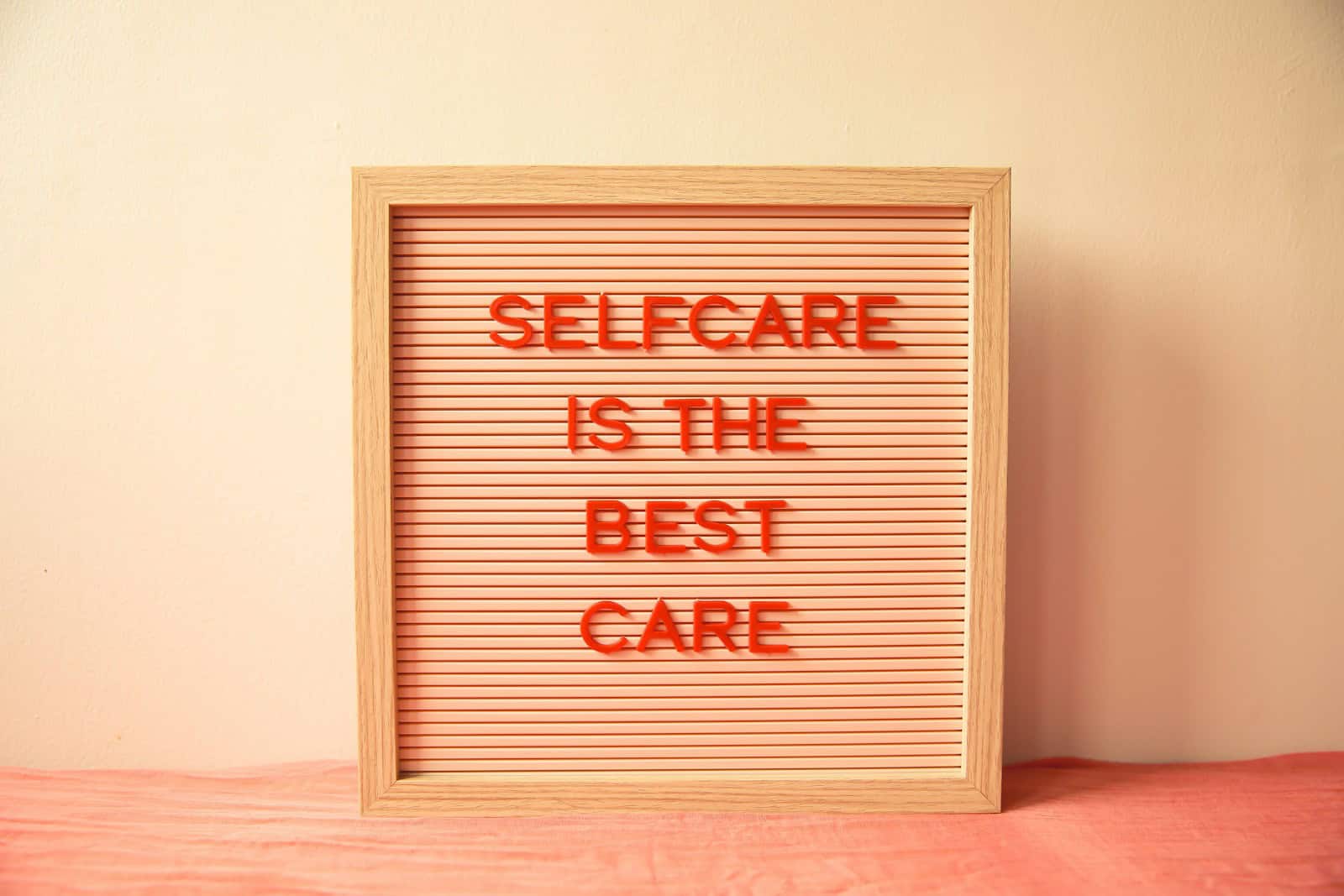 Maybe you need to hear this directly: You are allowed to take care of yourself well. You are allowed to buy things that make your life more comfortable. Your needs don’t become invalid because you’re going through something difficult.
This sounds obvious when I write it out, but I’ve watched people struggle with this concept for months. The guilt around anything that feels remotely indulgent. The way comfort starts feeling unearned.
Your worth isn’t determined by whether someone else loves you. Your basic human needs don’t disappear because a relationship ended.
What Recovery Actually Looks Like
Success isn’t perfect self-care routines or forcing yourself to feel grateful for everything. It’s definitely not pretending to be fine when you’re not.
Success is buying hand cream because your hands are dry, not because it’s “self-care.” It’s choosing the window seat because you prefer the view. It’s eating breakfast because you’re hungry, not because someone told you to.
It’s treating yourself like someone you care about, even when you don’t quite feel it yet.
The Long Game
I’m not going to pretend this gets easier quickly. Some days you’ll still catch yourself reaching for the saddest option because caring feels too complicated or undeserved.
But recovery from internalized neglect is like rebuilding trust with yourself. One small choice at a time. One moment of basic kindness at a time.
The goal isn’t to become this perfectly self-caring person overnight. The goal is to slowly remember that you deserve basic human consideration. Including from yourself.
And maybe that sounds too simple or ridiculous, but honestly? Sometimes the most radical thing you can do after someone has convinced you you’re not worth much is just… be consistently kind to yourself again.
Start with groceries you actually want to eat.
The rest follows from there.
For additional support with rebuilding self-care habits during difficult periods, the Mental Health Foundation offers practical guidance on recognizing and addressing neglect patterns.
Resources
Our guide to toxic relationships