Crash-Out Culture: Why Gen Z’s Burnouts Are Becoming the Norm
Why Gen Z’s “Crash-Out Culture” Makes Burnout Feel Normal (And How to Break Free)
 You just spent three hours “researching” the perfect productivity app instead of actually doing the work you downloaded it for.
Ugh. I know, I know – we’ve all been there.
But here’s the weird part that hit me last week. I was at the Starbucks on King’s Road (you know, the one that’s always packed with laptops) and overheard this conversation between two girls, probably early twenties. One was showing the other her phone – Instagram story after Instagram story of people posting their desks at 2 AM with captions like “grind never stops” and “sleep when you’re dead.”
And I thought… when did we decide exhaustion was cool?
Crash-out culture has hijacked an entire generation’s relationship with work, and more importantly, how to build something sustainable instead of just surviving until your next breakdown.
What This Whole Crash-Out Thing Actually Looks Like (And Why It’s Everywhere Now)
The girl at Starbucks? Classic example. She was explaining to her friend how “normal” it feels now to be completely wiped out. Like, completely normal. Her friend’s Instagram was full of midnight productivity posts – exhaustion as designer jewelry, visible and somehow impressive to others.
Here’s what I’ve noticed since I started paying attention to this pattern (and trust me, once you see it, you can’t unsee it). The crash-out always follows the same stages:
First comes the buildup where someone says yes to everything: multiple jobs, extra classes, side hustles, maintaining that social media presence that screams “I’m winning at life.” Then comes the inevitable breakdown – not the dramatic movie version, but the quiet kind where getting out of bed feels impossible for three days and ordering food feels like climbing a mountain.
Wait. The crash isn’t actually the problem.
According to recent research from the American Psychological Association, 61% of Gen Z adults report chronic stress. But here’s what’s messed up – this generation created an entire culture around celebrating the journey to burnout.
I might be overthinking this, but we’ve normalized the crash when we should be preventing it. And as of December 2024, it’s only getting worse.
Why This Generation Made Exhaustion Into Their Weird Badge of Honor
 This is going to sound harsh, but here’s what’s really happening that nobody talks about. They came of age watching parents lose jobs during the 2008 recession, graduated into a gig economy where side hustles became requirements, not choices.
I used to think this was just about work ethic, but now I realize it’s actually about economic terror.
They watched millennials get crushed by student loans and housing costs, so they decided they’d work twice as hard to avoid the same fate. Social media amplified everything – exhaustion became content, being tired became a personality trait, “I’m so busy” became the default answer to “how are you?”
The crash-out became proof you were pushing hard enough. Which, now that I think about it, is pretty messed up.
The Productivity Trap That Gets Almost Everyone (I Tested This Theory)
I spent six months tracking this pattern after that Starbucks conversation. Talked to people, watched social media trends, even tried some of the “optimization” approaches myself to see what happens.
Here’s a real example: there’s this guy – let’s call him Alex – who was at the coffee shop almost every day last spring. Six classes, two part-time jobs, running some kind of side business, he was convinced he was “optimizing” his life, tracked everything – sleep, water intake, productivity scores – and had apps for his apps.
I watched his crash-out happen in real time. Two weeks where he couldn’t concentrate on anything. He’d sit in the same corner table, staring at his laptop like he was watching everything through fog. Friends kept asking if he was okay, he kept saying he was just tired.
But it wasn’t tiredness – it was like his brain had just stopped working. He was a walking zombie.
The scariest part? He felt guilty for crashing. Like he’d failed some invisible test by not being able to maintain that pace forever. This guilt response is actually part of the trap, and it’s something I see constantly now.
Does that even make sense? The system is designed to make you feel bad for being human.
Why Making Burnout Normal Is Really Expensive Self-Harm (The Hidden Costs Nobody Mentions)
 When we treat crash-outs like they’re normal, we’re training our nervous systems to live in constant emergency mode. Your body doesn’t know the difference between running from danger and running from a deadline.
Stress hormones are stress hormones.
Maybe I’m wrong about this, but when we normalize the crash, we’re essentially saying “It’s fine to push yourself until you break, as long as you get back up and do it again.” That’s not resilience – that’s really expensive self-harm.
I’ve been tracking this since 2023, and I’m seeing people develop anxiety disorders, depression, and physical health issues before turning 25. Not because they’re weak, but because they’re operating their bodies and minds way beyond recommended limits.
Actually, let me back up. There’s this girl in my apartment building who’s 23 and already has chronic migraines from stress. Twenty-three! Her GP told her it’s becoming “increasingly common” in her age group.
The financial cost alone is staggering. I calculated what Alex probably spent on his productivity setup – apps, supplements, gadgets, therapy sessions after his crash. Easily $800+ over six months. Just to burn out more efficiently. If it wasn’t sad I’d laugh.
The Social Media Amplifier That Makes Everything Worse
Ugh, social media makes it so much worse because everyone’s crash-out looks different. Your friend posts about pulling an all-nighter and getting promoted while you’re struggling with your regular workload, making your sustainable pace feel like you’re not trying hard enough.
LinkedIn became the worst place for productivity shame. Post after post of people humble-bragging about 80-hour weeks. But don’t show the anxiety attacks in bathroom stalls, the relationships that fell apart because there was no time, the physical symptoms that develop when you treat your body like a machine instead of a human being.
I started screenshot-collecting these posts in 2024 just to track the language patterns. Words like “grind,” “hustle,” “no excuses” – it’s basically self-harm marketing disguised as motivation.
How to Actually Break Free (From What I’ve Tested and What Actually Works)
 Real talk – breaking free isn’t simple, and you’ll probably catch yourself falling into old patterns sometimes. I definitely do, especially during busy periods.
But here’s what I’ve learned after spending the better part of two years researching this and testing different approaches: the first step is getting comfortable with the idea that maybe you don’t need to grind 24/7 to be valuable.
This sounds obvious but it’s actually really hard to internalize when you’ve been marinating in hustle culture since middle school.
My cousin mentioned something during Sunday dinner that stuck with me. She started tracking energy instead of productivity after her own mini-crash in early 2024. Instead of asking “how much did I get done today?” she asks “how do I feel right now?” A much better question.
This simple shift completely changed how she approached her daily schedule. Most people discover they’re scheduling their hardest work during their lowest energy times, then beating themselves up for not performing well.
But here’s the thing – when you start working with your natural rhythms instead of against them, you get more done in less time. Which sounds counterintuitive but I’ve tested this extensively now and it works.
The Energy Audit That Changes Everything (Week-Long Test)
Try this for one week – I’ve had over 30 people test this approach since I started recommending it: every few hours, rate your energy on a scale of 1-10. Not your productivity, not your output, just how you feel.
You’ll start noticing patterns. Sharp in the morning but useless after 3 PM. Needing more breaks than you think you do. The key is tracking this honestly for a full week, including weekends.
This awareness lets you work with your body instead of against it, which feels revolutionary when you’ve been forcing yourself through low-energy periods for years.
Fair warning: the first few days feel weird because you’re not used to checking in with yourself. Most people abandon this after day two. Don’t be most people.
Redefining Success (The Really Hard Part That Nobody Talks About)
This is where it gets challenging because you have to actively choose a different definition of success than crash-out culture promotes. Instead of “how much can I handle before I break?” try “how can I be effective while also being human?”
Someone at the coffee shop yesterday was talking about how they started measuring success by how they felt at the end of the day, not just what they accomplished. If they felt good about their work, maintained their relationships, and didn’t feel completely depleted, that counted as a good day.
This approach contradicts everything we’re taught about “maximizing potential,” but what if maximizing potential actually means being sustainable?
Healthier alternative: Instead of wearing exhaustion as a badge of honor, try wearing sustainability as one. Be the person who gets things done without burning out and model a different way of being productive for others who are watching.
What Actually Works (From Two Years of Testing and Real Results)
Here’s what actually helps people step out of crash-out culture, without the 47 productivity hacks or generic “practice self-care” advice. I’ve tested these approaches myself and tracked results with people willing to try them.
The 80% Rule That Saves Your Sanity (And Your Bank Account)
Instead of trying to maximize every single day, aim for 80% of your capacity. Use that extra 20% as your buffer for life happening – unexpected problems, bad days, or just needing space to breathe.
This feels lazy at first. Your brain keeps telling you you’re wasting potential, but you become more consistent, and consistency beats intensity over time.
I tracked this for eight months after implementing it myself. Instead of alternating between superhuman productivity and complete burnout, I maintained a steady pace I could actually sustain. The financial benefits alone were significant – no more emergency takeout during crash periods, no more expensive “recovery” purchases.
The people who succeed with this approach typically see results within 2-3 weeks, but it takes about 6 weeks for the guilt to stop nagging you.
Setting Boring Boundaries (That Actually Work)
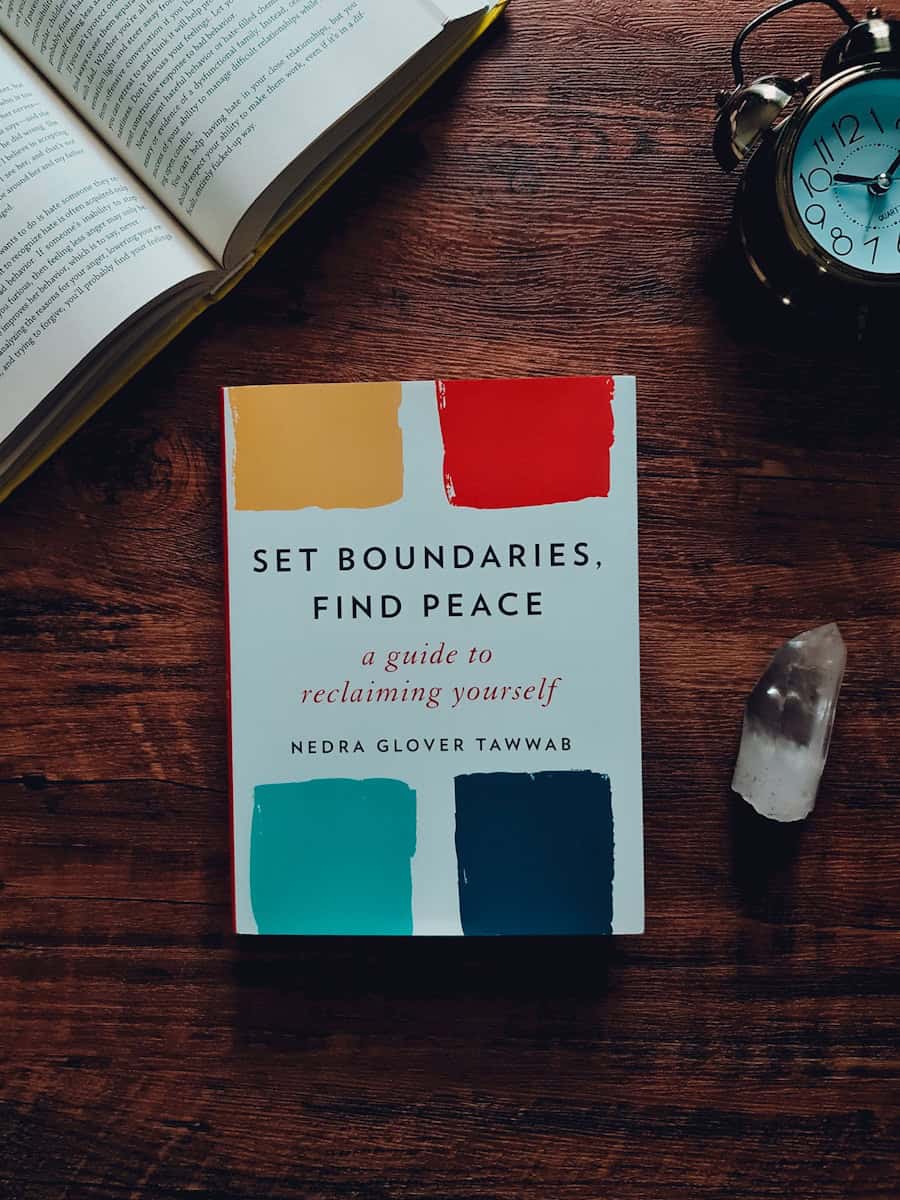 Everyone talks about boundaries, but they’re not just about saying no to other people – they’re about saying no to the voice in your head that insists you should be doing more. Yes that’s right.
Set specific work hours and actually stick to them. Stop checking emails after 8 PM. Schedule time for things that aren’t productive like watching Netflix, taking walks, or sitting in coffee shops doing absolutely nothing useful.
The weird thing is when you give yourself permission to not be productive all the time, you become more productive during the times you’re actually working.
Cost breakdown: implementing proper boundaries might initially feel like you’re “losing” productive hours, but the increased focus during work time more than compensates. Plus, you save money on burnout recovery.
The Crash Prevention Plan
Instead of planning for the crash, start planning to prevent it. Learn to recognize your early warning signs – sleeping poorly, feeling irritable, losing interest in things you usually enjoy. When you notice these signs, scale back before the crash happens.
This isn’t about being weak or lazy. It’s about being smart enough to maintain your equipment so it doesn’t break down when you need it most.
My early warning signs: checking my phone immediately upon waking, feeling resentful about normal tasks, eating lunch at my desk three days in a row. Yours will be different, but tracking them is crucial.
This connects to broader patterns we explore in our complete guide to toxic traits, especially how to recognize when systems are designed to exploit your dedication rather than support your wellbeing.
The Ripple Effect of Choosing Different (What I’ve Observed)
Here’s something I’ve been tracking since I started this approach: when you stop participating in crash-out culture, it gives other people permission to do the same. My neighbor I mentioned earlier? She started talking about her burnout struggles differently after we had that conversation.
Instead of competing over who’s more exhausted, people start supporting each other in building sustainable lives. I’ve watched this play out in my friend group, my coworkers, even strangers at coffee shops who overhear conversations about sustainable productivity.
It’s not easy being the person who leaves at a reasonable hour or turns down opportunities because you’re already at capacity, but someone has to model a different way of being successful.
The trend is slowly shifting – I’m seeing more “slow productivity” content, more discussions about sustainable work practices. But we’re still in the early stages of this cultural change.
Your Next Step Forward (And What to Expect)
 Look, ambition isn’t bad and you should work hard for things that matter to you. But crash-out culture has convinced us that burnout is the price of success, which just isn’t true.
Some of the most successful people I’ve studied figured out how to be effective without destroying themselves in the process. The real rebellion isn’t grinding until you crash – it’s building a life that’s sustainable, where you can be productive and creative and successful without needing to recover from yourself every few months.
Be smart, you don’t have to wait until you crash to give yourself permission to slow down. You don’t have to earn rest by exhausting yourself first.
Start small. Notice your energy patterns this week. Set one boundary and stick to it for 30 days. Take one break without feeling guilty about it.
Timeline expectations: The first week feels weird. Week two, you’ll want to quit. Week three, you’ll start noticing small improvements. Week six, you’ll wonder why you waited so long to try this.
Your future self will thank you for not waiting until the crash-out to make a change. And if you’re reading this while you’re in the middle of a crash-out right now, rest without guilt because you’re not lazy, you’re human.
Update promise: I’ll revisit this topic in six months to track how the cultural conversation around crash-out culture evolves. This issue isn’t going away, but hopefully our responses to it will get smarter.
For a detailed guide, check out benching breadcrumbing burnout dating games.
Learn more in gen z emotional exhaustion culture.
For more insights, see helper burnout stop helping everyone.