Crunchy Extremism: How Clean-Eating Habits Can Slip into Orthorexia
Crunchy Extremism: How Clean-Eating Habits Can Slip into Orthorexia
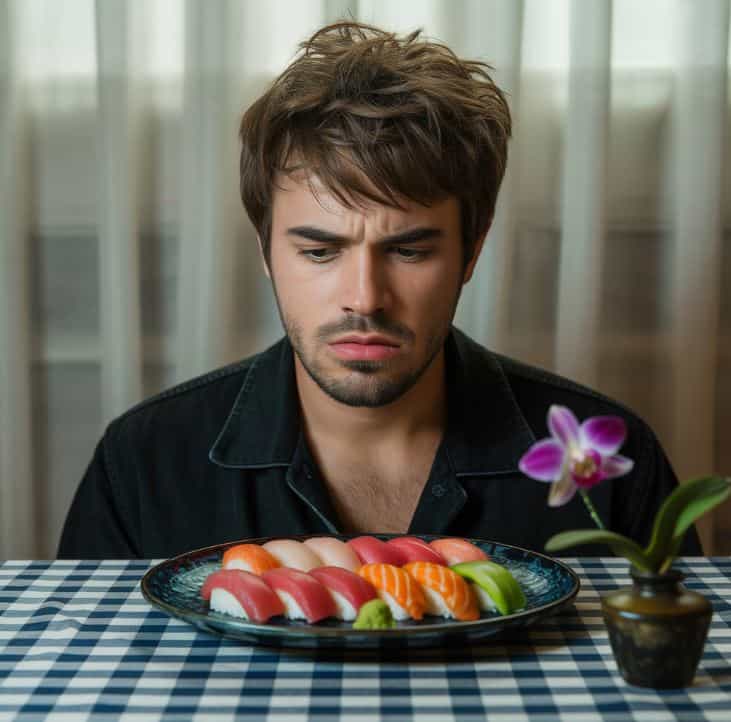 You threw away perfectly good food last week because it didn’t meet your standards, not moldy food, not expired food, just food that violated one of your increasingly complex rules about what counts as “acceptable” to eat.
Maybe it was the wrong type of oil, or maybe it wasn’t organic or maybe the ingredient list was too long. You stood there holding something nutritious and felt genuinely disgusted by it.
You’re not alone if this kind of food perfectionism has crept into your life. What starts as wanting to eat healthier can slowly morph into something that makes you feel less healthy, not more.
Clean eating can become its own form of disordered eating. When your food rules start controlling your life instead of supporting it, something’s gone seriously wrong.
What Food Perfectionism Actually Looks Like
 You know that friend who used to be chill about food but now spends 20 minutes reading every ingredient label at the grocery store? Or maybe you are that friend.
Food perfectionism starts off innocently enough, you decide to eat healthier, which sounds great. You cut out some processed foods, you start reading labels and you choose organic when you can afford it.
But then something shifts.
Your preferences become rules and your rules become moral imperatives. Food ends up as becomes either “clean” or “toxic” and you start using words like “poison” to describe ingredients your grandmother cooked with her whole life.
It starts with “no processed foods,” which seemed reasonable and then it becames “nothing with more than five ingredients” and then “only organic” and then “only locally sourced.” Eventually, she was meal prepping for four hours every Sunday because no restaurant could be trusted.
The scary part is that each step felt logical at the time.
When Healthy Eating Becomes Orthorexia
Orthorexia isn’t officially in the diagnostic manual yet, but therapists see it all the time. Unlike other eating disorders that focus on how much you eat, orthorexia obsesses over eating “perfectly.”
How It’s Different from Other Food Issues
People with anorexia restrict calories, people with bulimia cycle between bingeing and purging, people with orthorexia eliminate entire categories of foods they’ve labeled as “impure” or “unhealthy.”
The goal isn’t weight loss (though that might happen), it’s achieving perfect nutrition or avoiding imaginary toxins. You’re not trying to eat less, you’re trying to eat “right” according to increasingly rigid standards.
Why Social Media Makes It Worse
Instagram and TikTok are full of people promoting “clean eating” challenges and listing foods you should “never eat.” They create this framework where food becomes moral territory, where you’re “good” if you eat clean, “bad” if you don’t.
This black-and-white thinking is particularly dangerous because it looks like health consciousness. People praise you for being “so disciplined” about food in ways they’d be concerned about if applied to anything else in your life.
How Clean Eating Becomes Obsessive (The Slippery Slope)
Orthorexia doesn’t happen overnight, it’s this gradual slide from reasonable health awareness to life-consuming obsession.
Stage 1: You Start Caring About Ingredients
You begin reading labels and choosing organic when possible. You cook more meals at home which feels good and actually is healthy.
 Stage 2: You Create Food Rules
“No artificial sweeteners”, “no processed foods”, only grass-fed meat.” The rules feel reasonable and are motivated by genuine health goals.
Stage 3: Your Rules Multiply
No refined sugar becomes no natural sugars, and no processed foods becomes nothing in a package. Each new restriction feels logical based on something you read online.
Stage 4: Your Social Life Suffers
You start declining dinner invitations because restaurants can’t accommodate your restrictions. You bring your own food to parties and you feel anxious eating anything you didn’t prepare yourself.
Stage 5: Food Rules Become Your Identity
You’re “the healthy one” in your friend group. Your self-worth gets tied to how perfectly you follow your food rules, and breaking a rule feels like a moral failure, not just a dietary choice.
Stage 6: Your Whole Life Revolves Around Food
You spend hours planning, shopping, and preparing meals. Your mental energy revolves around food choices instead of living your actual life.
For an expert look at how “clean-eating” can escalate into harmful obsession—particularly when fueled by perfectionism and social pressure—see this Washington Post article: When Clean Eating Becomes Dangerous.
Warning Signs You’ve Gone Too Far
The line between healthy eating and food obsession isn’t always obvious when you’re living it. Here’s what to watch for:
You Use Moral Language About Food
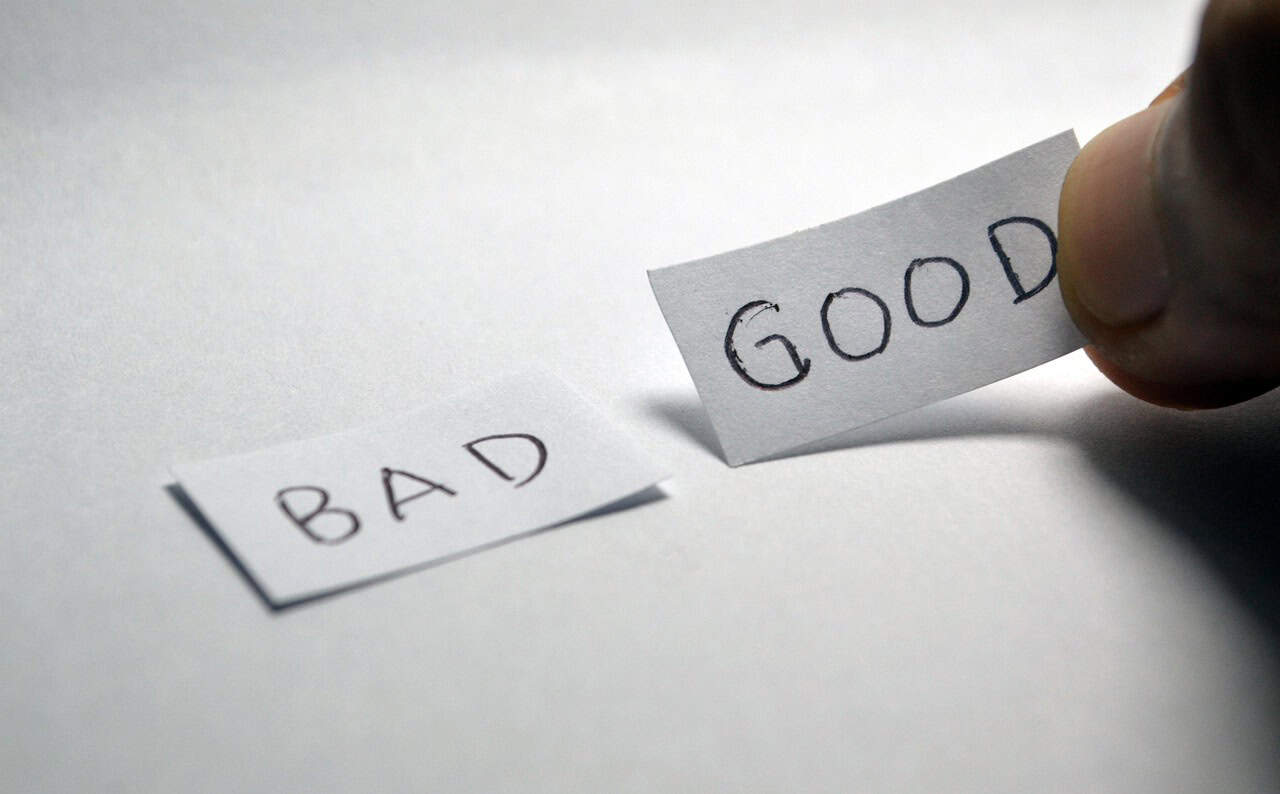 When you start thinking about food as “good” and “bad,” “clean” and “dirty,” “pure” and “toxic,” you’ve moved beyond nutrition into moral territory. Food is just fuel and pleasure, it doesn’t have moral value.
Your Food Rules Keep Growing
Your list of acceptable foods shrinks every month. You find new reasons to eliminate foods based on whatever health trend you discovered this week and you say “I don’t eat that anymore” more than “I enjoy eating that.”
You Avoid Social Situations Because of Food
Dinner parties stress you out because you can’t control the ingredients. Travel becomes difficult because finding “acceptable” food requires extensive research. You’d rather eat alone than compromise your standards.
Breaking Food Rules Causes Real Anxiety
Accidentally eating something that violates your rules causes genuine distress. You might feel the need to “detox” or compensate somehow and your emotional well-being depends on perfect adherence to your eating standards.
Food Planning Takes Over Your Time
You spend hours researching nutrition, reading labels, planning meals, shopping for specific ingredients, and preparing food. The mental energy devoted to eating “perfectly” crowds out everything else.
Your “Healthy” Eating Makes You Feel Unhealthy
Ironically, extreme restriction can cause the health problems you’re trying to prevent. Nutrient deficiencies, low energy, digestive issues, or hormonal imbalances can result from cutting out entire food groups.
What Food Perfectionism Actually Costs You
Orthorexia disguised as wellness doesn’t just affect what you eat. It affects how you live.
Your Relationships Suffer
Food is social. When your eating habits prevent you from sharing meals with others, relationships suffer. Family dinners become sources of stress and going out gets complicated by restaurant restrictions.
Your Mental Energy Gets Hijacked
The brain space spent researching supplements, analyzing every ingredient, and planning every meal is energy not available for work, relationships, creativity, or joy.
It Gets Expensive Fast
“Clean” eating can cost a fortune. Organic everything, specialty health foods, supplements, and premium prices for “pure” products add up. Some people spend 30-40% of their income on food and supplements.
You Lose the Joy of Eating
Food stops being pleasurable and becomes purely functional and you lose the ability to enjoy a meal without analyzing its nutritional profile. Cultural foods, comfort foods, and celebratory meals become sources of anxiety instead of joy.
What Actually Healthy Eating Looks Like
Real healthy eating is flexible, sustainable, and enhances your life rather than restricting it.
The 80/20 Reality
What you eat most of the time matters more than what you eat occasionally. Eating nutritious foods 80% of the time and being flexible the other 20% is more sustainable and often healthier than rigid perfection.
Add Instead of Subtract
Instead of constantly eliminating foods, focus on adding nutritious options to meals you already enjoy like adding vegetables to pasta or adding protein at breakfast. This feels abundant instead of restrictive.
Food Is Cultural and Social
Healthy eating includes the social aspects of food. Sharing meals with loved ones, enjoying foods from your heritage, and participating in food-centered celebrations are all part of a healthy relationship with eating.
There’s No Perfect Diet for Everyone
What constitutes healthy eating varies based on your genetics, health conditions, activity level, preferences, and life circumstances. The diet that works for your favorite influencer might be completely wrong for you.
How to Find Balance Again
If you recognize these patterns in your own eating, here’s how to gradually find more balance:
Challenge One Food Rule at a Time
Pick one food rule that causes you stress and experiment with relaxing it. Maybe eat a restaurant meal once a week, or try something with an ingredient you’ve been avoiding.
Eat Something Just Because You Want It
Give yourself permission to eat imperfectly sometimes. Try eating something just because you enjoy it, not because it’s nutritionally optimal. This helps rebuild a normal relationship with food pleasure.
Remember Health Is Bigger Than Food
Health includes mental, social, and emotional well-being, not just physical nutrition. A meal shared with friends might be “healthier” overall than a nutritionally perfect meal eaten alone in anxiety.
Get Professional Help If You Need It
If your eating habits significantly impact your social life, mental health, or overall well-being, consider working with a registered dietitian who specializes in eating disorders.
Pay Attention to How Food Makes You Feel
Instead of categorizing foods as good or bad, notice how different foods make you feel physically and emotionally. Some days your body craves vegetables, other days it needs comfort and carbohydrates.
Healthier alternative: Try intuitive eating for one week. Eat what sounds appealing and satisfying, pay attention to hunger and fullness cues, and notice how it feels to make food choices based on internal signals rather than external rules.
Why Wellness Culture Makes This Worse
Much of what drives food obsession comes from wellness culture messages that promote food fear and perfectionism.
The Detox Myth
The idea that your body constantly accumulates “toxins” that need special diets to remove creates anxiety about normal foods. Healthy bodies detoxify themselves constantly through your liver, kidneys, and other organs.
Inflammation Panic
While chronic inflammation is real, the wellness industry has created unnecessary fear around foods that cause temporary, normal inflammatory responses. This leads to eliminating entire food groups that might be perfectly healthy for most people.
Perfect Meal Pressure
Social media shows “perfect” meals from influencers, creating pressure to match unrealistic standards. What you don’t see are their normal, imperfect meals or the flexibility in their actual daily eating.
Building a Sustainable Relationship with Food
The goal isn’t to stop caring about nutrition, it is to care about it in a way that enhances rather than restricts your life.
Education Without Obsession
Learn about nutrition from credible sources, but don’t let knowledge become obsession. Understanding that vegetables are nutritious is helpful and believing that non-organic vegetables are “toxic” is not.
Guidelines Instead of Rules
Think in terms of guidelines rather than rigid rules. “I generally choose whole foods when possible” is more flexible than “I never eat anything processed.” Guidelines allow for context and circumstances.
Progress Over Perfection
Focus on overall patterns rather than individual choices. One imperfect meal, day, or even week doesn’t undo months of generally healthy habits.
When to Get Help
Sometimes the line is clear: when food concerns significantly interfere with your quality of life, relationships, or mental health, you need professional support.
Warning signs that indicate you should seek help:
– Spending more than 3-4 hours daily thinking about food choices
– Avoiding social situations due to food restrictions
– Experiencing significant anxiety when food rules are broken
– Physical symptoms from dietary restrictions
– Relationship problems caused by eating habits
– Complete loss of enjoyment in foods you used to love
Recovery from orthorexia typically involves working with both a therapist who specializes in eating disorders and a registered dietitian who can help normalize eating patterns.
Conclusion
Crunchy extremism and orthorexia happen when our culture’s food anxiety collides with genuine desires to be healthy. What starts as reasonable health consciousness can gradually become an obsession that makes you less healthy and less happy.
You don’t need to abandon healthy eating altogether, just approach nutrition with flexibility, self-compassion, and perspective. Your worth as a person isn’t determined by how perfectly you eat.
Food is meant to nourish your body and bring joy to your life. When eating “perfectly” requires sacrificing relationships, happiness, or peace of mind, it’s no longer serving your health.
True wellness includes eating birthday cake at celebrations, trying new foods when traveling, and sharing meals with people you love without anxiety. It includes the freedom to make imperfect food choices without moral judgment.
If food rules have taken over your life, help is available and recovery is possible. You deserve a relationship with food that feels free, flexible, and genuinely nourishing.
Start small this week. Choose one food rule to relax. Eat something just because you enjoy it. Share a meal with someone you care about. Remember that perfect nutrition means nothing if it comes at the cost of actually living your life.
Your body deserves good food, but your life deserves so much more than constant worry about whether every bite meets an impossible standard of purity.
Recommended
Breaking Free from Toxic Traits: Tools That Work (Part 3)