Ghostlighting & Future-Faking: The Sneakier Side of Toxic Dating in 2025
Ghostlighting & Future-Faking: The Sneakier Side of Toxic Dating in 2025
What would you do if you have been dating someone for over 3 months – properly into them, you know? Making weekend plans, talking about meeting each other’s mates, the works.
Then suddenly they go quiet for four days. When you finally texts asking if everything’s alright, the response is: “What do you mean? I’ve been busy with work. You’re being a bit clingy, aren’t you?”
And that’s when I realized what was happening. This isn’t just regular ghosting anymore.
Look, if you’ve been dating recently – or even just watching from the sidelines – you’ve probably noticed that people have gotten… creative with how they mess with each other’s heads. It’s like they’ve taken a masterclass in psychological manipulation and decided to test drive it on dating apps.
What Actually Is Ghostlighting?
 Right, so ghostlighting is basically when someone combines ghosting with gaslighting. Sneaky, isn’t it? And the momentum behind this pattern is enormous because it protects the person doing it while completely destabilizing the person receiving it.
Here’s how it works: They’ll disappear for days or weeks without explanation, then when you bring it up, they’ll make you feel like you’re the problem. “I never said we were exclusive.” “You’re being too needy.” “I was obviously just busy – why are you making such a big deal about this?”
It’s gaslighting wrapped up in the plausible deniability of modern dating culture. And honestly? It’s everywhere once you start recognizing the pattern.
Someone mentioned to me recently: “It’s like people have found the perfect way to be awful while still being able to claim they did nothing wrong.” And that really captures the insidious nature of this behavior.
The Ghostlighting Red Flags
 Here’s what I’ve come to understand about how ghostlighting actually operates:
They vanish, then blame you for noticing. Three days of silence followed by “Why are you keeping track of when I text you? That’s weird.”
They rewrite history completely. “I never said I’d call you Sunday” – except you have the screenshot where they literally said “I’ll ring you Sunday evening.”
They make you question your own memory and perception. You start thinking, “Maybe I am being too clingy. Maybe three days without contact is normal.”
They use your emotions against you. “You’re being way too intense about this. It’s just dating.”
The worst part? It works. I’ve watched friends convince themselves they were overreacting when they were actually having completely reasonable responses to someone treating them like rubbish.
Future-Faking: The Promise That Never Comes
And then there’s future-faking. This one’s particularly insidious because it feels so good in the moment.
Picture this: Second date, and they’re already talking about the holiday you’ll take together next summer. They know this amazing little place in Cornwall. They can’t wait to introduce you to their mum. By date four, they’re discussing which area you’d want to live in when you move in together.
Feels amazing, right? Like you’ve found someone who’s actually serious about building something real.
Except… none of it ever happens. Those detailed plans just evaporate. When you bring up the Cornwall trip three months later, they look at you like you’ve grown a second head. “I never said we were definitely going. I was just daydreaming out loud.”
What’s happening here is future-faking – painting elaborate pictures of a shared future to keep you emotionally invested, with absolutely no intention of following through.
Why Future-Faking Works So Well
 Here’s what’s really difficult to explain about future-faking – we want to believe in those promises. When someone describes specific details about your imaginary future flat or talks about meeting your family at Christmas, it feels like commitment. It feels like they’re thinking long-term.
But what they’re actually doing is giving you just enough emotional investment to keep you around while they figure out what they really want. Or while they keep their options open. Or while they enjoy the ego boost of having someone who’s properly into them.
The specificity makes it feel real. They don’t just say “maybe we’ll go away sometime” – they describe the cottage, the walks you’ll take, the local pub you’ll become regulars at. Your brain starts creating memories of something that never happened.
And here’s where it gets really twisted: when those plans inevitably don’t materialize, they can always claim you misunderstood. “I was just thinking out loud. You took it way too seriously.”
The Psychological Impact (And Why It’s Not Just “Bad Dating”)
Look, I know what some people are thinking: “This is just modern dating. Everyone’s flaky now. Get over it.”
But here’s what I’ve learned from watching friends go through this stuff – it’s not just disappointing. It’s genuinely damaging to your ability to trust your own instincts.
You start questioning everything. Did you come on too strong? Were you being unreasonable expecting consistent communication? Maybe you were just bad at reading situations?
The doubt seeps into everything. You start second-guessing your own instincts, your own perfectly reasonable expectations, your own reality.
And with future-faking? Psychology research shows that when people create detailed mental images of future events, our brains process them almost like memories. So when those futures get yanked away, it feels like losing something you actually had.
That’s not melodramatic – that’s neuroscience.
The Ripple Effect
 What’s really messed up is how this stuff affects your ability to trust your own judgment in future relationships. You meet someone decent who actually follows through on plans, and part of you is waiting for the other shoe to drop. You become hypervigilant, analyzing every text for hidden meanings.
Or worse – you start accepting less and less because you’ve been conditioned to think that inconsistent behavior is just “how dating works now.”
I watched a friend turn down someone who was genuinely interested in her because “he’s being too keen too fast.” The guy was just… normal. Responsive. Honest about wanting to see her again. But after six months of being future-faked by someone else, normal looked suspicious.
How to Spot These Patterns Early
Right, so here’s what I’ve learned to watch out for – both from my own experiences and from being the friend people turn to when dating goes sideways.
Trust your gut about consistency completely. If someone’s communication pattern feels erratic – intense attention followed by radio silence – that’s valuable information. Don’t let them convince you it’s normal.
Pay attention to how they handle being questioned. Normal people might get a bit defensive if you ask where they’ve been, but they don’t launch into character assassination mode. They don’t make you feel insane for having basic expectations.
Notice if future plans are all talk, no action. Are they making actual bookings for that weekend away, or just talking about it in increasingly elaborate detail? Words are wind. Actions are everything.
Watch for the rewriting of history. If you find yourself constantly questioning your own memory of conversations, that’s a huge red flag. I’m not saying be paranoid, but if someone regularly claims they “never said that,” trust your own recollection.
The Three-Week Test
 Here’s something that really stuck with me: Most people can maintain a false persona for about three weeks. After that, their actual personality starts bleeding through.
So if someone’s been future-faking hard for the first few dates – grand plans, detailed dreams, talk of meeting families – watch what happens around week three or four. Do those plans start materializing into actual concrete steps? Or do they mysteriously fade into “we’ll see what happens”?
Same with communication patterns. Someone can force themselves to text consistently for a couple weeks if they’re trying to lock you down. But their natural rhythm will assert itself eventually.
What to Do When You Recognize These Patterns
This is the hard bit, isn’t it? Because by the time you realize what’s happening, you’re already emotionally invested. You’ve already built up a version of this person and this relationship in your head.
Walking away feels like giving up on something that could be amazing if they’d just… stop being weird about it.
But here’s what I wish someone had told me earlier: You cannot love someone out of toxic behavior patterns. You cannot be understanding enough, patient enough, or low-maintenance enough to make someone treat you with basic respect and consistency.
If they wanted to, they would. Full stop.
The Direct Conversation Approach
That said, sometimes it’s worth having one clear conversation before you write someone off completely. Not because you’re trying to fix them, but because you’re giving them the opportunity to either step up or make it crystal clear that they won’t.
Something like: “I’ve noticed our communication has been pretty inconsistent, and when I’ve brought it up, you’ve suggested I’m being needy. I don’t think expecting regular contact is unreasonable. Are we on the same page about what we’re both looking for here?”
Or: “You’ve mentioned a lot of plans for things we might do together, but none of them seem to move beyond the talking stage. Are you actually interested in making these things happen, or are we just daydreaming out loud?”
Pay attention to their response. Do they get defensive? Do they turn it back on you? Do they promise to change but then nothing actually changes?
That’s your answer right there.
The Bigger Picture: Why This Stuff Is Everywhere Now
Right, but why is this happening so much? Like, what’s actually changed about how people approach dating?
I think it’s a combination of things, honestly. Dating apps have created this illusion of infinite options – why commit to working through relationship challenges when there are 47 other people who swiped right on you last week?
Social media has made it easier to maintain multiple connections without much effort. You can breadcrumb someone with Instagram likes and the occasional “thinking of you” text without actually having to show up consistently.
And there’s this weird cultural thing happening where calling out bad behavior gets labeled as “drama” or being “high maintenance.” People have started confusing having standards with being difficult.
But here’s what I think is really going on: We’ve normalized emotional unavailability. We’ve made it cool to be detached, to not care too much, to keep your options open. And ghostlighting and future-faking are just the logical extensions of that mindset.
The Commitment Phobia Thing
 Someone pointed out something fascinating to me recently: A lot of people want the benefits of a relationship – the emotional connection, the companionship, the validation – without any of the actual commitment or accountability that makes relationships work.
Ghostlighting lets you disappear when things get real, then come back when you’re lonely without having to acknowledge that you hurt someone. Future-faking gives you all the emotional highs of planning a future together without having to actually build one.
It’s like relationship junk food. All the immediate satisfaction, none of the nutritional value.
How to Protect Yourself (Without Becoming Paranoid)
Look, I don’t want to turn everyone into cynical dating robots who trust no one. But there are ways to protect yourself from these patterns without closing your heart off completely.
Actions over words, always. Someone can tell you they’re excited to see you again, but did they actually make concrete plans? Did they follow through?
Trust your friends’ observations. Sometimes we’re too close to see clearly. If your mates are saying “something seems off about this person,” listen to them.
Don’t abandon your life for someone you just started dating. I know it’s tempting when they’re making all these amazing future plans, but keep your own routine, your own friends, your own goals.
Notice how you feel after spending time with them. Do you feel energized and happy, or drained and confused? Your emotional state after dates is valuable information.
The Reality Check Questions
I’ve started asking myself these questions when I’m getting involved with someone new:
Do their words match their actions consistently? Are they showing up the way they say they will?
Do I feel like I can be myself around them, or am I constantly trying to be the “cool, low-maintenance” version of myself?
Are they interested in my life and opinions, or do conversations always center around them?
Do they respect my boundaries, or do they push back when I express needs or concerns?
These aren’t trick questions – they’re just ways to cut through the fog of early relationship excitement and see what’s actually happening.
The Recovery Bit (Because This Stuff Takes Time to Get Over)
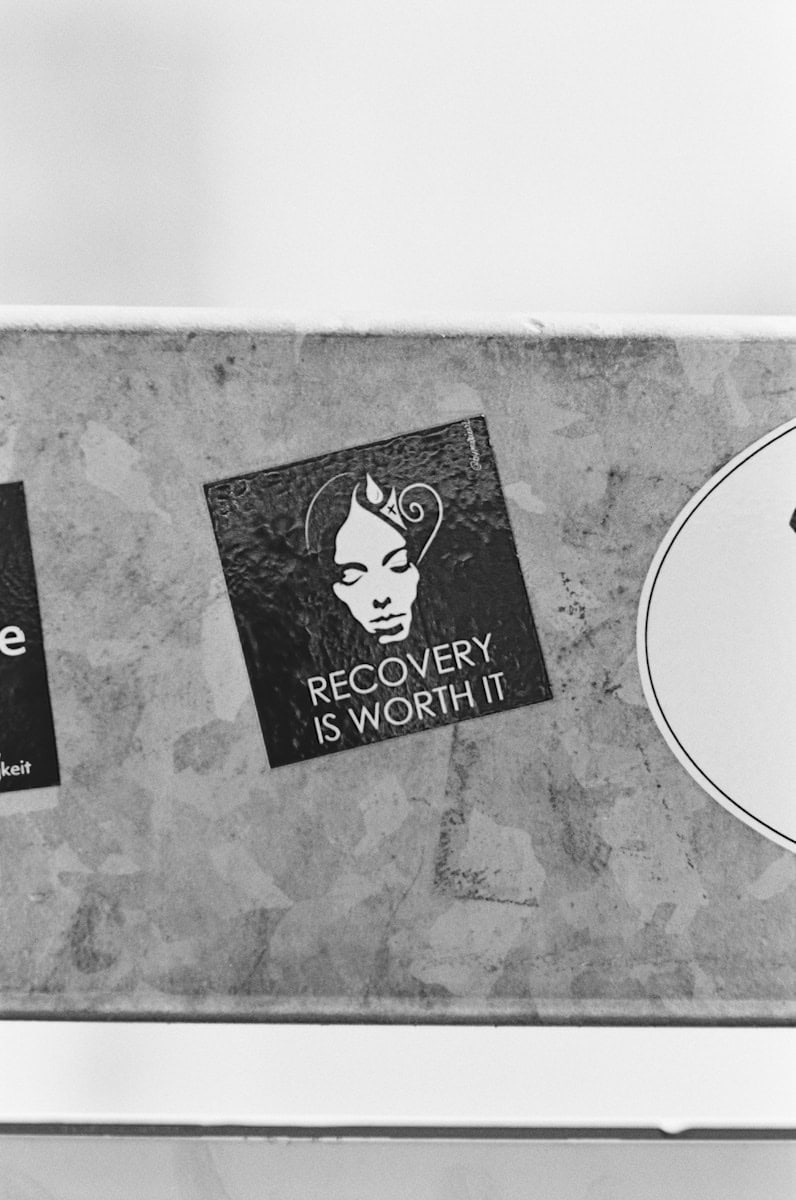 If you’ve been through ghostlighting or future-faking, don’t underestimate how much it can mess with your head. It’s not just regular dating disappointment – it’s having your reality questioned and your emotional investment manipulated.
Give yourself time to trust your own instincts again. Don’t rush into dating someone new just to prove you’re “over it.” Spend some time remembering what you actually want in a relationship, separate from what someone else convinced you to want.
And maybe most importantly: recognize that their behavior was never about your worth. People who ghostlight and future-fake do it because they’re emotionally unavailable, not because there’s something wrong with you for expecting basic consistency and follow-through.
Your expectations weren’t too high. Your needs weren’t unreasonable. You weren’t being clingy or dramatic. You were having normal human responses to abnormal behavior.
Moving Forward: What Healthy Actually Looks Like
After dealing with this stuff, it can be hard to remember what normal, healthy dating actually feels like. So here’s a reminder:
Healthy people communicate consistently, even when they’re busy. They don’t disappear and then make you feel bad for noticing.
Healthy people make plans and follow through on them. They don’t promise elaborate futures they have no intention of creating.
Healthy people own their mistakes instead of rewriting history to make you the problem.
Healthy people want you to feel secure in the connection, not constantly guessing where you stand.
I know that might sound boring after the emotional rollercoaster of toxic dating patterns. But trust me – the relief of being with someone who just… shows up consistently? It’s everything.
You shouldn’t have to decode someone’s behavior like you’re cracking an ancient manuscript. You shouldn’t have to walk on eggshells to avoid being labeled “needy” for having basic human needs.
The right person won’t make you feel like you’re asking for too much when you ask for the bare minimum.
Look, dating in 2025 is weird enough without people adding psychological manipulation to the mix. But knowing what ghostlighting and future-faking look like – and trusting yourself when you spot these patterns – that’s how you protect your peace and find something actually worth your time.
Resources
Our guide to toxic relationships