
Best Books to Break Bad Habits: 8 Science-Based Guides That Actually Work
Best Books to Break Bad Habits: 8 Science-Based Guides That Actually Work
Here’s something nobody talks about when searching for the best books to break bad habits: most of them teach you to fight your brain instead of working with it.
I discovered this after watching someone close to me spend six months trying every habit-change method imaginable. Willpower apps. Motivation videos. Accountability partners. Nothing stuck until they found a book that explained the actual neuroscience behind why we repeat behaviors we desperately want to stop.
“I finally understood why I kept failing,” they told me. “It wasn’t about self-control – my brain was literally wired to choose the habit over the alternative.”
After investigating dozens of approaches and talking to people who’ve successfully changed stubborn patterns, I realized something crucial: the best books to break bad habits don’t focus on willpower. They focus on rewiring the automatic systems that create habits in the first place.
Why Most Popular Books to Break Bad Habits Actually Make Things Worse
The self-help industry is flooded with books promising dramatic transformations through motivation and positive thinking. But breaking ingrained behavioral patterns requires understanding the neurological systems that maintain them, not just wanting to change badly enough.
Bad habits persist because they serve a function in your brain’s reward system. They provide temporary relief from stress, boredom, anxiety, or other uncomfortable states. Until you understand and address these underlying drivers, surface-level strategies fail consistently.
According to research published in the National Institutes of Health, effective behavioral change requires three elements: understanding the habit loop, identifying environmental triggers, and developing replacement behaviors that satisfy the same underlying needs.
The best books to break bad habits focus on these scientific principles rather than relying on motivation or moral strength to overcome neurological programming.
How Your Brain Actually Creates and Maintains Bad Habits
Your brain creates habits through a process called “chunking” – converting sequences of actions into automatic routines stored in the basal ganglia. This happens to conserve mental energy for more complex decision-making.
The problem? Your brain can’t distinguish between helpful and harmful patterns. It simply automates whatever behaviors you repeat frequently, regardless of their long-term consequences.
This is why the best books to break bad habits work with this neurological reality rather than pretending you can overcome it through determination alone. They provide strategies that actually interrupt automatic patterns and install better alternatives.
The 8 Best Books to Break Bad Habits (Tested by Real People)
These books stand out because they’re based on peer-reviewed research, provide specific techniques you can implement immediately, and address the psychological roots of persistent patterns rather than just surface behaviors.
1. “Atomic Habits” by James Clear
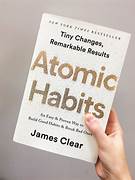 Core approach: Identity-based habit change through environmental design and tiny behavioral shifts
Why it’s among the best books to break bad habits: Clear’s framework addresses both building new positive habits and eliminating existing negative ones through environmental modification rather than willpower.
The book’s strength lies in its systematic approach to understanding habit loops. Clear explains how every habit follows a four-step pattern: cue, craving, response, reward. By manipulating any part of this loop, you can break unwanted patterns.
For breaking bad habits, Clear’s “inversion” of his four laws is particularly effective:
- Make it invisible (remove environmental cues)
- Make it unattractive (reframe your mindset about the habit)
- Make it difficult (increase friction for the unwanted behavior)
- Make it unsatisfying (create immediate consequences)
Best for: People who want a comprehensive system for habit change that addresses both building good habits and breaking bad ones simultaneously.
2. “The Power of Habit” by Charles Duhigg
 Core approach: Understanding the habit loop to replace bad habits with better ones while maintaining the same reward system
Why it’s one of the best books to break bad habits: Duhigg’s “Golden Rule of Habit Change” recognizes that you can’t eliminate habits entirely – you must replace them with alternatives that provide similar rewards.
The book excels at helping readers identify what psychologists call the “actual reward” behind habitual behaviors. Often what we think drives our habits isn’t the real motivation. Stress eating might actually be about taking a mental break, not hunger.
Best for: People who have tried to eliminate bad habits through willpower but keep relapsing. Particularly effective for understanding emotionally-driven behaviors.
3. “Unwinding Anxiety” by Dr. Judson Brewer
 Core approach: Using mindfulness and curiosity to break anxiety-driven habit loops
Why it makes the list of best books to break bad habits: Many persistent bad habits are actually anxiety management strategies. Brewer, a psychiatrist and neuroscientist, provides evidence-based tools for addressing the root anxiety that drives compulsive behaviors.
The book’s unique contribution is the RAIN technique (Recognize, Allow, Investigate, Non-attachment) applied specifically to habitual behaviors. Instead of fighting urges through willpower, you become curious about them, which actually weakens their neurological hold over time.
Best for: People whose bad habits are driven by anxiety, stress, or emotional avoidance. Particularly effective for compulsive behaviors like phone checking, emotional eating, or substance use.
4. “Tiny Habits” by BJ Fogg
 Core approach: Breaking bad habits by crowding them out with tiny positive behaviors that build momentum over time
What makes it one of the best books to break bad habits: Fogg’s method recognizes that trying to eliminate behaviors creates a vacuum that often gets filled by the same or worse habits. Instead, he focuses on building positive patterns that naturally crowd out negative ones.
The celebration technique is particularly powerful for breaking bad habits. By immediately creating positive emotions after completing tiny positive behaviors, you literally rewire your brain’s reward system to prefer healthier patterns.
Best for: People who have failed at dramatic behavior changes and need an approach that builds confidence through consistent small wins.
5. “Good Habits, Bad Habits” by Wendy Wood
 Core approach: Environmental design and context control to make bad habits harder and good habits easier
Why it’s among the best books to break bad habits: Wood’s research focuses on the automatic nature of most behavior and how environmental cues trigger habitual responses faster than conscious thought can intervene.
Wood’s concept of “friction” is particularly valuable – making unwanted behaviors slightly more difficult often eliminates them entirely, while making desired behaviors slightly easier dramatically increases their frequency.
Best for: People who want to understand the science behind why they repeat unwanted behaviors and how to use environmental psychology for lasting change.
6. “The Craving Mind” by Dr. Judson Brewer
 Core approach: Understanding addiction and craving as evolutionary survival mechanisms that can be retrained through awareness
Why it ranks among the best books to break bad habits: This work focuses specifically on reward-based learning and how modern environments trigger ancient survival mechanisms in problematic ways.
Brewer introduces the concept of “second gear” awareness – shifting from being caught in a craving to observing the craving process itself. This meta-cognitive awareness naturally reduces the craving’s intensity without requiring active resistance.
Best for: People dealing with addictive patterns or compulsive behaviors that have escalated over time. Especially relevant for digital addictions and substance-related habits.
7. “Breaking the Habit of Being Yourself” by Dr. Joe Dispenza
 Core approach: Combining neuroscience with meditation practices to rewire neural patterns at the level of identity and self-concept
What makes it one of the best books to break bad habits: Dispenza addresses the deeper identity patterns that maintain habitual behaviors. Many bad habits persist because they’re expressions of who we believe ourselves to be at an unconscious level.
The book provides specific meditation and visualization practices designed to interrupt automatic neural firing patterns and create new synaptic connections.
Best for: People interested in meditation-based approaches and those whose bad habits seem deeply connected to self-identity or emotional patterns.
8. “The Body Keeps the Score” by Bessel van der Kolk
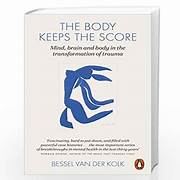 Core approach: Understanding how trauma creates persistent behavioral patterns and addressing the nervous system dysregulation that maintains them
Why it’s essential among the best books to break bad habits: Many stubborn bad habits are actually trauma responses or nervous system regulation attempts. Van der Kolk explains how traumatic experiences reshape brain and body in ways that create persistent patterns.
This book is essential for anyone whose bad habits seem rooted in early experiences, stress responses, or emotional regulation difficulties.
Best for: People whose bad habits seem connected to past traumatic experiences, chronic stress, or emotional regulation difficulties. Essential reading when behavioral strategies alone haven’t created lasting change.
How to Choose from the Best Books to Break Bad Habits for Your Situation
Different types of bad habits require different approaches. Understanding your specific pattern helps you select the most effective book from the best books to break bad habits.
For Environmental and Context-Driven Habits: If your bad habits seem triggered by specific locations, times, or environmental cues, start with “Atomic Habits” by James Clear or “Good Habits, Bad Habits” by Wendy Wood.
For Anxiety and Stress-Driven Habits: If your bad habits serve as anxiety or stress management, begin with “Unwinding Anxiety” or “The Craving Mind” by Dr. Judson Brewer.
For Identity-Connected Habits: If your bad habits feel like expressions of who you are, consider “Breaking the Habit of Being Yourself” by Joe Dispenza or identity-focused sections of “Atomic Habits.”
For Trauma-Related Habits: If your bad habits developed following traumatic experiences, start with “The Body Keeps the Score” by Bessel van der Kolk before applying behavioral strategies.
As I explored in my complete guide to breaking unhealthy patterns, understanding the root causes of persistent behaviors often determines whether surface-level interventions will succeed or simply provide temporary relief.
Implementation Strategy: How to Actually Use the Best Books to Break Bad Habits
Reading books without implementation creates the illusion of progress while maintaining the same patterns. Here’s how to turn knowledge from the best books to break bad habits into actual behavioral change.
The One-Book, One-Habit Approach: Choose one book that matches your primary challenge and focus exclusively on breaking one habit using that approach. Trying to implement multiple methodologies simultaneously creates confusion and reduces effectiveness.
Active Reading and Application: Take detailed notes while reading, focusing on specific techniques rather than general concepts. After each chapter, identify one concrete action you can implement within 24 hours.
Progress Tracking and Adjustment: Track both the behavior you’re trying to eliminate and the replacement behaviors you’re building. Weekly reviews help you identify what’s working and what needs adjustment.
Common Mistakes That Prevent Success with the Best Books to Break Bad Habits
Even the best books to break bad habits can fail if applied incorrectly. Understanding these common pitfalls increases your chances of lasting change.
All-or-Nothing Thinking: Many people expect to eliminate bad habits completely and permanently after reading one book. Real behavioral change involves setbacks, adjustments, and gradual improvement.
Ignoring Environmental Factors: Books provide strategies, but your physical and social environment can override the best intentions. If your environment strongly supports the bad habit, you may need to change contexts before techniques can be effective.
Skipping the Identity Work: Surface behavior changes often fail because they conflict with deeper self-concept patterns. Address both the behavioral patterns and the underlying identity beliefs that maintain them.
[IMAGE 6: Timeline showing realistic habit change journey with expected setbacks and recovery points]
When the Best Books to Break Bad Habits Aren’t Enough
While these represent the best books to break bad habits available, some situations require additional professional support for lasting transformation.
Consider working with therapists, coaches, or medical professionals when:
- Bad habits significantly impact your health, relationships, or work
- You’ve tried multiple approaches consistently without lasting results
- The habits seem connected to trauma, depression, or anxiety disorders
- Substance use or self-harm behaviors are involved
The best books to break bad habits provide valuable education and tools, but they can’t replace professional assessment and treatment when underlying mental health issues need addressing.
Your Next Step with the Best Books to Break Bad Habits
Knowledge without action remains just interesting information. The book that will help you most is the one you actually implement consistently rather than just read passively.
Start by choosing one book from this list of best books to break bad habits that addresses your primary challenge. Read it actively, taking notes and implementing techniques immediately rather than waiting to finish the entire book.
Give the approach at least 30 days of consistent application before evaluating its effectiveness. Most people quit too early, before neurological changes have time to stabilize.
Remember that breaking bad habits is a skill that improves with practice. The first habit you change successfully makes subsequent changes easier because you develop confidence in your ability to modify ingrained patterns.
Your current bad habits don’t define your future possibilities. They’re simply patterns you learned for survival or comfort that no longer serve you. With the right understanding and consistent application of evidence-based strategies, you can break free from any behavior that’s holding you back.
Which of these best books to break bad habits matches your current situation most closely? What’s one bad habit you’re ready to address using scientific approaches rather than willpower alone?