25 Habits of Toxic People and How to Spot Them Early
 25 Habits of Toxic People and How to Spot Them Early
I spent six months watching my neighbor morph from a happy person into someone who looked constantly stressed, dark circles under her eyes, shoulders always tense.
“Everything okay?” I asked one day over the fence.
“It’s my sister,” she said quietly. “She moved in temporarily three months ago. I feel like I’m losing my mind in my own house.”
This is for anyone who’s watched someone they care about get smaller around certain people. Anyone who’s felt their own joy leak away after spending time with specific individuals. Anyone wondering why some relationships feel like slow poison instead of nourishment.
The habits of toxic people aren’t always dramatic or obvious. They start small and build slowly. They’re often disguised as caring, helping, or just having strong opinions about your life.
But these patterns chip away at your peace, confidence, and energy until you don’t recognize yourself anymore.
Why The Habits of Toxic People Are So Hard to Spot
These habits work because they’re gradual. Nobody starts a relationship with full-blown abuse or manipulation. It begins with small violations that seem manageable.
Maybe they interrupt you occasionally. Maybe they give advice you didn’t ask for. Maybe they seem a little too interested in your personal business. These behaviors feel annoying but not dangerous.
Over time, the habits escalate. The interruptions become constant. The advice becomes demands. The interest becomes invasion. But because it happens slowly, you adjust to each new level of discomfort, you adapt and accept.
The habits are often mixed with genuine kindness. They’ll criticize you harshly, then bring you flowers. They’ll violate your boundaries, then do you a favor. This keeps you confused and hopeful.
Most people displaying these habits aren’t evil. They learned these patterns as ways to survive difficult childhoods or traumatic experiences. Understanding this helps you have compassion while still protecting yourself.
But here’s the key: someone’s past doesn’t excuse their present behavior. You can feel sorry for their struggles while refusing to absorb their toxic habits into your life.
How Habits of Toxic People Damage Your Health
When you’re regularly exposed to the habits of toxic people, your body stays in fight-or-flight mode. Your nervous system treats each interaction like a potential threat.
This constant stress shows up physically, headaches after spending time with them, stomach problems before they visit, trouble sleeping after difficult conversations. Your body knows something’s wrong even when your mind makes excuses.
Theygupta also mess with your mental health. You start doubting your own feelings and memories. You question whether you’re being too sensitive or asking for too much.
Over time, you change your behavior to avoid triggering their reactions. You stop sharing good news because they’ll find ways to diminish it. You avoid mentioning problems because they’ll make everything about themselves.
Your confidence slowly erodes. You used to trust your instincts and stand up for yourself. Now you second-guess every reaction and apologize for having needs.
The worst part is how isolated you become. Toxic people often separate you from friends and family who might point out their harmful patterns. You lose your support system right when you need it most.
To dive deeper into common behaviors of toxic individuals, explore this expert-backed breakdown from Psych Central.
25 Habits of Toxic People That Destroy Relationships
These patterns might seem minor when they happen occasionally. But when they become consistent habits, they create relationships that slowly poison your wellbeing.
Communication Control Habits
 1. They make every conversation about themselves You share exciting news, and they immediately tell you about their bigger achievement. You mention a problem, and they launch into their more serious issues. Every topic becomes an opportunity to spotlight their life.
2. They interrupt constantly without caring They cut you off mid-sentence or finish your thoughts incorrectly. They’re not listening to understand you. They’re just waiting for their turn to talk. When confronted, they blame you for being oversensitive.
3. They dismiss your feelings as wrong “You’re overreacting.” “It’s not that serious.” “You’re being too dramatic.” These phrases shut down your emotional experience and make you question your own reactions to their behavior.
4. They give unwanted advice constantly They tell you how to dress, eat, parent, work, and live. They act like experts on your life even when you didn’t ask for input. They get offended when you don’t follow their suggestions.
5. They never ask about your life Conversations always focus on their problems, achievements, or interests. They rarely ask how you’re doing or remember details about your experiences.
Manipulation and Control Habits
 6. They rewrite history to avoid blame “That never happened.” “You’re remembering wrong.” “I never said that.” They deny conversations or events when it’s convenient, making you doubt your own memory and sanity.
7. They use guilt as their main weapon “After everything I’ve done for you…” They keep mental scorecards of every favor and sacrifice. These get weaponized whenever you don’t meet their expectations or set boundaries.
8. They give silent treatment instead of talking Rather than discussing problems directly, they withdraw completely, they refuse to speak for hours or days, leaving you anxious and confused about what you supposedly did wrong.
9. They triangulate your relationships They talk about you to others and others to you. “Everyone thinks you’re wrong about this.” This prevents direct communication and keeps you feeling isolated and confused.
10. They love-bomb then withdraw suddenly They start with overwhelming attention and affection. Then they become distant and critical without explanation. This leaves you confused and desperately trying to win back their approval.
Emotional Vampire Habits
 11. They drain your energy every interaction After spending time with them, you feel exhausted, confused, or emotionally empty. They take far more than they give.
12. They create drama during your happy moments Your achievements get overshadowed by their sudden crises. They pick fights before important events or find ways to make your celebrations about their problems instead.
13. They compete with your pain constantly “You think your day was bad? Let me tell you about mine.” Even when you’re struggling, they need to win the suffering contest. Your problems become their opportunities to spotlight bigger issues.
14. They always have emergencies Life with them feels like moving from one crisis to another. This keeps you focused on rescuing them instead of noticing their unhealthy patterns or taking care of yourself.
15. They can’t handle your success Your achievements get minimized, ignored, or criticized. They might even create emergencies exactly when you should be celebrating. Your wins threaten their need to be the center of attention.
Boundary Violation Habits
 16. They ignore your “no” completely When you say you can’t do something, they keep pushing. They guilt you, argue with your reasons, or find sneaky ways around your limits.
17. They invade your privacy repeatedly They read your texts, go through your belongings, or ask intensely personal questions. They feel entitled to information you haven’t chosen to share with them.
18. They show up uninvited all the time They drop by without calling or invite themselves to events. They don’t respect your time, space, or need for advance notice.
19. They borrow things and never return them They take your stuff and “forget” to give it back. When you ask for it, they act surprised or offended that you want your own belongings returned.
20. They expect constant availability from you They call or text at all hours and get upset if you don’t respond immediately. Your time belongs to them in their mind.
Relationship Destruction Habits
 21. They isolate you from support systems “Your friends don’t really understand you.” “Your family doesn’t appreciate you like I do.” They gradually separate you from people who might point out their harmful behaviors.
22. They are charming publicly, cruel privately Others see them as delightful and caring. Behind closed doors, you experience someone completely different. This makes you doubt your own experience and feel like you’re going crazy.
23. They never genuinely apologize for harm Their apologies come with conditions and blame-shifting. “I’m sorry you feel that way” or “I’m sorry, but you made me do it.” They avoid taking real responsibility ever.
24. They use your insecurities against you They remember your vulnerabilities and mention them during conflicts. These aren’t accidents but calculated comments designed to hurt you where you’re most sensitive.
25. They keep score of everything They remember every favor they’ve done and every mistake you’ve made. But they forget their own harmful actions and the kindness you’ve shown them. The scoreboard is always tilted in their favor.
How These Habits of Toxic People Develop
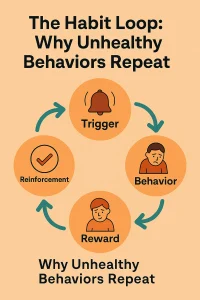 These habits often start as survival strategies during childhood or traumatic experiences. A child who got attention only during crises learns to create emergencies. Someone who felt powerless begins controlling others obsessively.
These patterns might have worked in specific situations or relationships, but as adults, they become destructive habits that push people away while meeting short-term emotional needs.
The habits persist because they’re often rewarded unintentionally. People give in to avoid conflict. They provide extra attention during manufactured crises. They walk on eggshells to prevent explosive reactions.
This reinforcement makes the behaviors stronger over time. What starts as occasional manipulation becomes constant emotional terrorism. Small boundary violations escalate into complete disrespect for your autonomy.
The habits of toxic people also create trauma bonds with their victims. The cycle of tension, explosion, fake reconciliation, and temporary calm keeps people hooked on intermittent reinforcement.
Protecting Yourself
Once you recognize the habits of toxic people in your relationships, you can take concrete steps to protect your mental health and wellbeing.
Setting Boundaries Against Toxic Habits
 Create clear limits about what you will and won’t accept. “I don’t continue conversations that involve yelling.” “I need 24 hours notice before visits.” “I won’t discuss other people’s personal business with you.”
Expect major pushback when you start enforcing boundaries. People used to unlimited access to your time and energy will fight your new limits. This resistance actually proves your boundaries are necessary.
Don’t over-explain your decisions or justify your needs. “That doesn’t work for me” is a complete sentence. Long explanations invite arguments and negotiations you don’t owe anyone.
Stay consistent with your boundaries. If you enforce them sometimes but not others, toxic people learn that persistence will eventually wear you down and get them what they want.
Limiting Exposure to Toxic Habits
You don’t have to cut toxic people out completely, but you can control how much of your life they access. Shorter visits, less frequent contact, and restricted topics protect your energy reserves.
Use the “gray rock” method with people you can’t avoid. Become boring and non-reactive. Share less personal information. Give shorter responses. Make yourself an uninteresting target for their habits.
Create physical and emotional distance when possible. Avoid living with people who display these habits. Don’t be alone with them during vulnerable moments. Protect your space and peace.
Building Your Support Network
Surround yourself with people who don’t exhibit these habits. Look for friends who give as much as they take. Find people who celebrate your wins without jealousy.
Join groups or activities where you can meet healthier people. Volunteering, hobbies, classes, or community events connect you with others who share your values and respect boundaries.
Share your experiences with trusted friends or family members. Having witnesses to toxic behavior prevents the isolation these people try to create around you.
What Healthy Relationships Look Like
After dealing with toxic people, you might forget what balanced relationships actually feel like. Here are signs of genuine, healthy connections:
Conversations flow both ways naturally. Both people ask questions, share stories, and show genuine interest in each other’s lives. Nobody dominates or gets consistently ignored.
You feel energized after spending time together, even during serious discussions. Conflicts get resolved through honest communication rather than manipulation, punishment, or the silent treatment.
Your boundaries get respected the first time you state them. Nobody tries to argue you out of your limits or make you feel guilty for having basic needs.
Achievements get celebrated without being overshadowed by someone else’s problems. Struggles get acknowledged without being minimized or used as opportunities for others to spotlight their bigger issues.
Most importantly, these relationships add genuine value to your life instead of subtracting from it. You look forward to contact rather than dreading it or feeling exhausted afterward.
Conclusion
Toxic people can slowly poison your relationships and mental health if you don’t recognize them early. These 25 patterns often start small but escalate over time into serious emotional damage.
You deserve connections that energize rather than drain you. You deserve people who respect your boundaries and celebrate your successes without competition or jealousy.
Learning to spot these harmful habits protects your energy for relationships that truly nourish your soul. Trust your instincts when interactions consistently leave you feeling confused, exhausted, or diminished.
Try this today: review the 25 habits and honestly assess the relationships in your life. Which people consistently display these patterns? Which relationships make you feel good about yourself versus questioning your worth?
Your energy is precious and limited. Spend it on people who appreciate and reciprocate your care instead of those who drain it through toxic habits.
Which of these 25 habits of toxic people have you encountered most? What boundary will you set this week to protect your energy?
The Hidden Pain Behind Toxic Traits: Where They Come From (Part 2)