TikTok Therapy Overload: When Self-Help Trends Do More Harm Than Good
TikTok Therapy Overload: When Self-Help Trends Do More Harm Than Good
You spent three hours on “therapy TikTok” last night and somehow ended up crying in your bathroom.
The videos promised to help you understand your trauma responses and heal your attachment style. But now, you’re convinced you have seventeen different mental health conditions and need to cut everyone out of your life immediately.
You open social media hoping to feel better about yourself and end up feeling more broken than when you started. The wellness content that’s supposed to help is making everything worse.
You’re not alone if this hits close to home. Millions of people are drowning in contradictory mental health advice from unqualified strangers on social media. And if you’re feeling overwhelmed by all the “helpful” content that somehow makes you more anxious, there’s a reason for that.
Why TikTok Therapy Makes You Feel More Broken
 Here’s what nobody talks about: real therapy is slow, messy, and deeply personal. There are no universal quick fixes that work for everyone in 60 seconds.
But TikTok has convinced you otherwise. Every day, your feed serves up “therapists” promising to help you identify your trauma, fix your attachment style, and heal your inner child before your coffee gets cold. The message is clear: if you’re not constantly optimizing yourself and seeing instant results, you’re failing at life.
People consume more mental health content than they actually care for their mental health. They memorize attachment theory while ignoring their real relationships. They learn about trauma responses while their actual stress levels go through the roof.
The problem isn’t wanting to understand yourself better, it’s that social media strips away all the nuance, context, and professional guidance that makes psychological information actually helpful.
Real healing takes time because your brain didn’t develop its current patterns overnight. It won’t rewire itself because you watched a video about neuroplasticity. Your relationship issues didn’t start yesterday, and they won’t be solved by a 30-second clip about communication styles.
But TikTok therapy sells you the fantasy that healing should be fast, simple, and achievable through the right content. When your real-life progress doesn’t match that timeline, you assume you’re too broken.
When Everyone’s a Mental Health Expert (But Nobody’s Qualified)
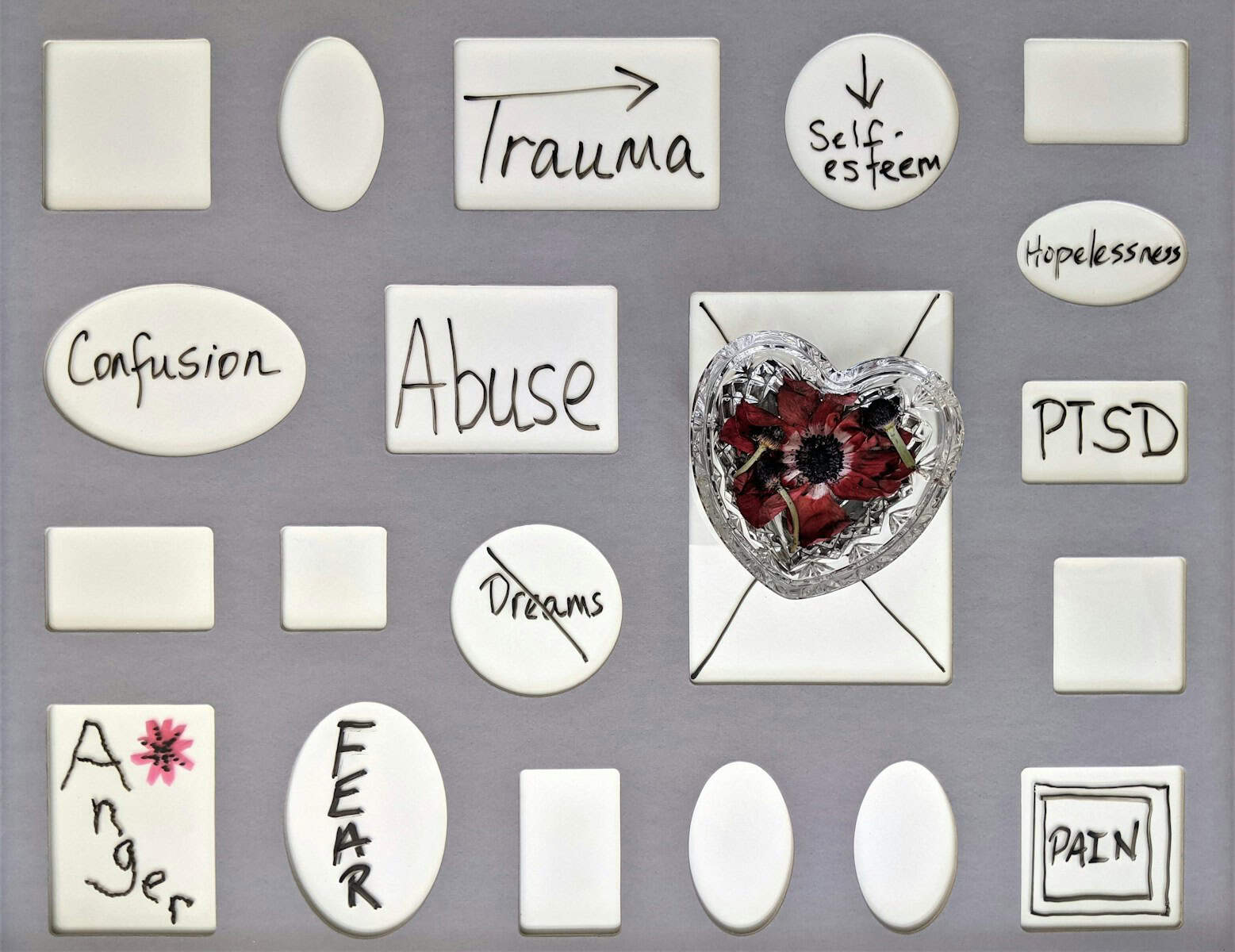 Let me be direct: most of the “therapy” content you’re watching comes from life coaches, wellness influencers, or people who did their own therapy and decided that qualified them to diagnose strangers on the internet.
They present complex psychological concepts as simple, universal truths. They explain attachment theory as if everyone fits neatly into four boxes. They describe trauma responses as if everyone with anxiety has childhood issues. They talk about narcissism as if it’s a personality quirk instead of a serious mental health condition.
Real therapists spend years learning not just psychological theories, but how to apply them to individual situations. They understand that what helps one person might harm another. They know when someone needs medication, not mindset shifts. They’re trained to recognize when to refer people to specialized care.
But on social media, anyone can become a mental health guru. People with zero training are diagnosing strangers through comment sections. Influencers sell courses promising to heal trauma.
The algorithms make it worse by promoting content that gets engagement. “You might have ADHD if…” videos go viral because they make people feel seen, even when they’re oversimplifying complex conditions. “Signs you’re dealing with a narcissist” content spreads because it gives people someone to blame.
And when this amateur advice doesn’t work, people blame themselves instead of questioning the source. They think they’re not trying hard enough or too broken to be helped by “simple” solutions.
To explore the risks of relying on social media for mental health advice, check out this article from The New York Times: TikTok Isn’t a Therapist.
The Self-Diagnosis Trap That Keeps You Stuck
 One of the most dangerous trends is the push toward self-diagnosis based on social media videos. You watch content about ADHD symptoms and immediately conclude you have ADHD, or you learn about narcissistic abuse and reinterpret your entire relationship history through that lens.
Sometimes social media helps people recognize patterns or realize they need professional help, but the problem is when people stop there and start self-treating based on their self-diagnosis.
I watched a friend become convinced she had borderline personality disorder after watching TikTok videos. She avoided therapy because she was afraid a professional would tell her she was wrong. When she finally saw a therapist, it turned out she was dealing with anxiety and depression related to a specific situation.
Mental health conditions are complex. They exist on spectrums, often occur together, and require professional assessment to diagnose properly. A 60-second video can’t capture that complexity, no matter how relatable it feels.
The danger isn’t just that you might be wrong. You might delay getting appropriate help, try interventions that aren’t right for you, or become so focused on fitting into a diagnostic category that you miss what’s actually happening in your life.
The Exhausting Contradiction of Social Media Wellness Advice
 Maybe the most draining part of TikTok therapy culture is how every piece of advice contradicts the last one. One video tells you to set strict boundaries; the next says boundaries can be selfish. One insists you need to feel all your emotions; another says you’re wallowing in negativity.
You find yourself feeling like a pinball. Should you practice radical acceptance or take action to change your situation? Should you trust your instincts or question your trauma responses? Should you focus on self-love or acknowledge your flaws?
The answer depends on your specific situation, mental health history, current circumstances, and factors that social media creators can’t possibly know about you.
This creates what I call “advice paralysis” – you’re consuming so much conflicting information that you don’t know what to actually try. Or you try everything at once and feel like a failure when none of it works perfectly.
Real therapy helps you sort through this confusion with personalized guidance based on your specific needs. A good therapist doesn’t give you generic advice – they help you figure out what approaches make sense for your particular situation.
When you get mental health guidance from social media, you’re trying to treat yourself with random techniques that may not be appropriate for what you’re dealing with. It’s like trying to fix a car by applying every repair technique you’ve ever heard of.
The Toxic Pressure to Constantly Optimize Your Mental Health
 One of the most harmful aspects of TikTok therapy culture is the message that you should constantly be working on yourself, optimizing your mental health, and striving for psychological perfection.
Every day, your feed reminds you of new things you should be tracking, healing, or improving. Your attachment style, nervous system regulation, inner child work, shadow work, trauma responses, communication patterns, boundaries, self-worth – the list never ends.
It’s exhausting. This culture has pathologized normal human struggles as things that need immediate intervention. You can’t just have a bad day anymore – you need to examine your triggers and heal your trauma responses. You can’t disagree with someone – you need to analyze your attachment style and work on your communication patterns.
Self-reflection can be valuable, but TikTok therapy culture has turned it into a full-time job where you’re never good enough, never healed enough, never optimized enough. There’s always another layer to unpack, another pattern to break, another aspect of yourself to improve.
This constant self-improvement pressure can make your mental health worse. When you’re always looking for problems to fix, you start seeing problems everywhere. When you’re constantly analyzing your thoughts and feelings, you lose the ability to just experience them naturally.
Real mental health isn’t about achieving perfect psychological optimization, it’s about learning to live with the full range of human experience in a way that feels manageable and authentic to you.
Healthier alternative: Pick one evidence-based practice that actually helps you feel better and stick with it for at least a month. If you’re dealing with serious mental health challenges, seek professional help instead of trying to heal yourself through social media content.
How to Spot Harmful Mental Health Content
 Not all mental health content on social media is dangerous, but learning to recognize red flags can protect you from advice that might make things worse.
- Be wary of anyone making sweeping generalizations about complex mental health conditions. Real mental health is nuanced – anyone saying “all anxious people do this” or “everyone with boundary issues has this attachment style” is oversimplifying to the point of harm.
- Watch out for content encouraging you to cut people out of your life without understanding your full situation. While ending toxic relationships is sometimes necessary, labeling every difficult person as “narcissistic” and advocating for immediate no-contact often oversimplifies complex relationship dynamics.
- Be suspicious of anyone promising quick fixes or dramatic transformations. Real healing takes time, and anyone suggesting otherwise is either selling something or doesn’t understand how mental health works.
- Red flag phrases include: “heal your trauma in 30 days,” “this one trick will fix your anxiety,” “if you’re still struggling, you’re not trying hard enough,” or “everyone who disagrees with this is toxic.”
- Pay attention to credentials. Lived experience is valuable, but it doesn’t qualify someone to diagnose conditions or provide mental health treatment. Be especially cautious of anyone claiming to be a “therapist” without proper licensing.
- Most importantly, trust your gut. If content consistently makes you feel worse about yourself, more anxious, or more confused, it’s probably not helping – regardless of how popular it might be.
Finding Actually Helpful Mental Health Support
The good news is there are genuinely helpful ways to learn about mental health and work on personal growth without getting overwhelmed by TikTok therapy trends.
Start with reputable sources. Organizations like the National Alliance on Mental Illness, the American Psychological Association, and the National Institute of Mental Health provide evidence-based information about mental health conditions and treatments. These sources might be less exciting than viral videos, but they’re much more reliable.
If you’re interested in self-help books, look for ones written by licensed mental health professionals based on established therapeutic approaches. Cognitive Behavioral Therapy, Dialectical Behavior Therapy, and Acceptance and Commitment Therapy all have strong research support and plenty of self-help resources.
Consider apps designed by mental health professionals. While they can’t replace therapy, apps offering guided meditation, mood tracking, or CBT exercises can provide structured support based on evidence-based approaches.
If you’re dealing with serious mental health challenges, nothing replaces working with a qualified professional. Many therapists now offer online sessions, and there are affordable options through community mental health centers and sliding-scale providers.
Approach your mental health with the same caution you’d use for your physical health. You wouldn’t try to treat a serious medical condition based on random advice from social media influencers. Your mental health deserves the same level of care and professional attention.
Building Real Self-Awareness Without the Overwhelm
Real self-awareness is about developing a nuanced, compassionate understanding of your own patterns, needs, and reactions.
Instead of trying to diagnose yourself based on viral content, pay attention to your actual experiences. How do you tend to react when you’re stressed? What situations consistently trigger difficult emotions? What helps you feel balanced? What kind of support do you actually find helpful?
This kind of self-awareness develops slowly through lived experience, reflection, and sometimes professional guidance. It can’t be gained by watching videos about psychological theories, no matter how insightful they seem.
Journaling helps you develop genuine self-knowledge much more than consuming mental health content ever will. When you write about your actual experiences instead of trying to fit them into psychological frameworks you learned online, you often discover patterns and insights that are much more relevant to your real life.
The goal isn’t to become your own therapist or achieve perfect self-optimization. It’s to develop enough self-awareness that you can navigate your life with compassion and make choices that align with your actual values and needs.
Conclusion
You are not a collection of psychological disorders that need to be identified and fixed through social media content. You’re a complex human being with unique circumstances and needs that can’t be addressed through 60-second videos.
The overwhelm you feel from conflicting mental health advice isn’t a sign that you need to try harder or consume more content. It’s a sign that you’re trying to solve complex personal challenges through a medium designed for entertainment, not genuine healing.
Your mental health deserves better than trending advice from unqualified strangers. It deserves patience, nuance, professional guidance when needed, and the recognition that healing isn’t a performance or content category.
You don’t need to optimize every aspect of your psychological functioning. You don’t need perfect boundaries, completely healed trauma, or an ideal attachment style. You just need to be human – messy, imperfect, still learning and growing.
Stop letting TikTok therapy make you feel broken. You’re not a problem to be solved or a project to be optimized. You’re a person worthy of compassion, patience, and actual support.
Your healing journey belongs to you, not to your For You page. Trust yourself enough to step away from the noise and listen to what you actually need.
Recommended
Breaking Free from Toxic Traits: Tools That Work (Part 3)