Can You Fix a Toxic Workplace? Expert Insights
Can You Change a Toxic Workplace? The Hard Truth About Transformation
Here’s something nobody talks about when you’re drowning in a toxic workplace: that desperate hope that maybe, somehow, you can fix it.
So many many brilliant people exhaust themselves trying to transform fundamentally broken organizations. The optimism is heartbreaking – and the outcomes are predictable.
Can you change a toxic workplace? The answer is more complicated than career coaches want to admit. And understanding the difference between what’s fixable and what’s systemically broken could save you years of wasted effort.
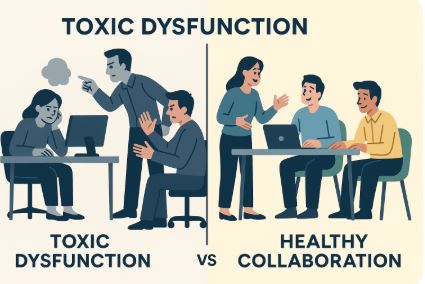
Why Most Workplace “Fixes” Never Work
When I started researching organizational psychology, I thought toxic workplaces were just communication problems with bad managers sprinkled in. Fix the communication, train the managers, problem solved.
Then I talked to someone who’d spent three years trying to change their company culture from within. They’d organized team-building events, pushed for better policies, even convinced leadership to bring in consultants.
Two weeks after the consultants left, everything went back to exactly how it was before.
That’s when I realized something crucial: you can’t change a toxic workplace by treating the symptoms. These environments aren’t accidentally dysfunctional – they’re operating exactly as designed.
The harassment that goes unchecked? That’s sending a message about what behavior gets rewarded. The good employees who leave while toxic ones get promoted? That’s a system working perfectly to achieve certain outcomes, even if those outcomes destroy morale.
The Real Source of Workplace Toxicity
After researching dozens of organizational transformation studies, the pattern is clear: toxic workplace culture flows downward from leadership decisions.
Every workplace psychology expert I’ve read emphasizes this – culture change requires leadership buy-in at the deepest level. Not just “we should be nicer to each other” initiatives, but fundamental recognition that current systems are causing measurable harm.
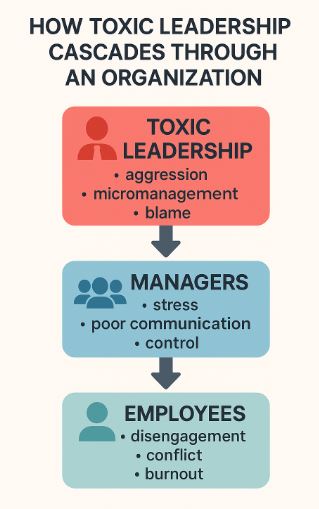
When leadership tolerates destructive behavior, it creates enormous momentum behind those patterns. Employees learn that survival means either adapting to toxicity or staying silent about it.
You’re not just fighting one difficult coworker. You’re pushing against an entire organizational force designed to maintain the status quo.
The Four Conditions That Allow Real Change
Some toxic workplaces do transform. But after studying successful transformations, they happen under very specific circumstances.
Can you change a toxic workplace? Only when these four elements align:
Leadership genuinely acknowledges the problem exists. Not surface-level “let’s improve communication” but actual recognition that people are being harmed and the company is losing talent because of systemic issues.
External pressure forces action. Legal liability, competitor advantage, investor demands, regulatory scrutiny. Change rarely happens just because it’s morally right.
Key toxic leaders actually leave or fundamentally change. You cannot heal a toxic culture while keeping the people who created it in positions of power. This is non-negotiable.
New systems replace old ones. Not just updated policies, but structural changes to hiring, promotion, performance management, and accountability processes.
Without all four? The transformation efforts usually collapse within six months. I’ve watched this pattern repeatedly – initial enthusiasm, surface improvements, then gradual regression to the old toxic patterns.
How to Assess Your Situation Realistically
Look at your leadership’s actions over the past year, not their promises. Have toxic managers faced real consequences for their behavior? Are new hires and recent promotions genuinely different from the old pattern?
If toxic leaders are still in place making the same decisions that created the culture, hoping for change becomes self-deception.
According to research from the Society for Human Resource Management, toxic cultures are the number one predictor of employee turnover – but they’re also the hardest organizational element to change without complete leadership commitment.
The Hidden Cost of Fighting the System
This is what keeps me thinking about this topic long after I should probably move on to something else.
I’ve talked to people who spent years trying to change toxic workplaces from within. The personal cost is devastating in ways that don’t show up on performance reviews.
The chronic stress literally changes your brain chemistry. Your sleep gets disrupted. Relationships suffer because you’re either too drained to be present or you’re processing workplace trauma in every conversation.
But here’s the part that really worries me – after months in a toxic environment, your baseline for normal treatment shifts. You start accepting behavior that would have shocked you initially.

I’ve watched this drain people’s energy completely. They pour everything into trying to create change, but they’re working against enormous organizational momentum designed to resist that change.
The momentum builds and builds until it feels unstoppable. Meanwhile, you’re getting smaller and more exhausted.
The Questions That Actually Matter
Instead of “Can I change this toxic workplace?” try these questions. They’ve helped every person I know who successfully navigated this situation:
What concrete evidence do I have that leadership wants systemic change? Look at their actions over the past year. Have toxic leaders faced consequences? Are policies actually being enforced differently?
How long am I willing to wait for change while my well-being deteriorates? Set an actual timeline. Six months? One year? Don’t leave this open-ended.
What would need to change for me to feel genuinely safe here? Be specific. If you can’t imagine realistic scenarios where those changes happen given current leadership, that’s crucial information.
What am I sacrificing by staying? Your health, other career opportunities, relationships, peace of mind. Make these costs visible instead of minimizing them.
As I explored in my comprehensive research on toxic workplace patterns, the people who successfully escaped these situations share one thing: they got honest about what they were really trying to fix and whether it was fixable.
When Leaving Becomes the Strategic Choice
 Here’s something that might surprise you about toxic workplace transformation: it often happens because good people leave, not because they stay and fight.
The talent exodus forces leadership to confront reality. When you can’t retain quality employees and exit interviews consistently mention culture problems, that creates the external pressure necessary for change.
Your departure might be the catalyst for transformation – you just won’t be there to see it.
Meanwhile, you get to redirect all that energy toward finding an environment where you can actually thrive. Where your skills are valued, your boundaries are respected, and your well-being matters to leadership.
I know leaving feels like giving up. But sometimes the most strategic thing you can do is refuse to accept unacceptable treatment.
Signs It’s Time to Stop Fighting
You’ve documented problems for over a year with no meaningful leadership response. Toxic leaders remain in their positions despite clear evidence of harm. New employees are leaving within months of starting. HR treats complaints as personality conflicts rather than systemic issues.
When you see these patterns, continued effort becomes self-harm rather than positive change.
The Alternative Strategy That Actually Works
Can you change a toxic workplace? Sometimes. But here’s what I’ve learned from people who successfully escaped these situations: your energy produces better results when invested in building something new rather than fixing something fundamentally broken.
The same leadership qualities that make you want to fix your current workplace? Those are desperately needed in organizations that are ready for positive change.
Instead of spending two years hoping your toxic workplace will change, you could spend six months finding an environment where your efforts create real impact.
The difference in what you can accomplish is staggering.
Making the Decision That’s Right for You
If you’re wondering whether you can change a toxic workplace, you’re asking the wrong question.
The better question is: “Given the evidence I have about leadership commitment and organizational momentum, where can I invest my energy to create the most positive impact?”
Sometimes that’s fighting for change from within – when you have genuine leadership support and realistic timelines for transformation.
More often, it’s recognizing that your talents deserve an environment where they can flourish without having to overcome systemic toxicity first.
You’re not weak for wanting to fix things. That instinct shows incredible strength and leadership potential. But that same energy is needed in places that are structurally capable of receiving and sustaining positive change.
The question isn’t whether you’re capable of creating change – you absolutely are. The question is whether your current environment is ready to support that change or whether it’s designed to resist it.
If the answer is resistance, that’s not a reflection on you. That’s valuable information about where to invest your irreplaceable time and energy.
For a detailed guide, check out toxic comparison instagram might killing.
Learn more in link perfectionism toxic behavior.
how to deal with a toxic boss
recovery after toxic workplace