Toxic Comparison Loops: Why Instagram Might Be Killing Your Joy
Toxic Comparison Loops: Why Instagram Might Be Killing Your Joy
You opened Instagram feeling pretty good about your day. Twenty minutes later, you’re wondering why your apartment looks so boring compared to everyone else’s perfectly styled living rooms.
Sound familiar? One minute you’re content with your morning coffee and cozy space and the next minute you’re calculating how much money your college friend must make to afford that kitchen renovation.
Instagram isn’t just showing you photos, it’s triggering something in your brain that makes you measure your entire life against everyone else’s best moments. And guess what? That’s exactly what it’s designed to do.
Toxic Comparison: Your Brain Just Wasn’t Built for Everyone’s Highlight Reel
 Your brain has this ancient wiring that helped your ancestors survive. Back then, knowing where you stood in the group meant the difference between getting food and going hungry. So your brain got really good at constantly checking and comparing.
That same system is still running today. When you see someone’s promotion announcement, your brain doesn’t think “good for them.” It thinks “threat detected” and starts running calculations about your own career status.
But the problem is that social media gives your brain access to millions of people’s best moments. Your ancient survival system is faced with an impossible job, trying to track your position relative to everyone on Instagram.
The Algorithm Knows Exactly What Keeps You Scrolling
Instagram’s algorithm has gotten scary good at showing you content that keeps you engaged, it doesn’t care one bit if your unhappy, as long as you are engaged. And nothing keeps you scrolling like that nagging feeling that everyone else has figured out something you haven’t.
The platform learns what makes you pause, what makes you tap, what makes you stay. If you linger on fitness content, you’ll see more impossibly toned bodies. If you watch travel stories, you’ll get fed more exotic destinations you can’t afford.
The algorithm isn’t trying to make you miserable. But it’s definitely not trying to protect your mental health either.
For more research on how Instagram fuels unhealthy comparison and impacts self-esteem, read this piece from NPR: Facebook Knows Instagram Is Toxic for Teen Girls, Company Documents Show.
What Happens When You Get Stuck in Comparison Mode
When you compare your real life to someone’s Instagram, you’re not just making one comparison, you’re starting what I call a comparison spiral. Their career success makes you think about your job, which makes you think about your salary, which makes you notice their apartment, which makes you wonder about your social life.
Before you know it, you’ve mentally audited your entire existence and found it lacking, and all because someone posted a photo of their new office.
Your Body Pays the Price Too
These comparison spirals don’t just mess with your mood, they also mess with your body. When you’re constantly measuring yourself against others, your nervous system stays stuck in low-level stress mode.
Shoulders tense up, jaw clenches, heart beats faster. Also, your brain releases cortisol when you’re comparing – the same stress hormone that kicks in when you’re in actual danger. Over time, this affects your sleep, your immune system, and your ability to focus on things that actually matter.
The Reality Behind Those Perfect Posts
 Nobody posts their 2 AM anxiety spirals. Nobody shares the story about crying in their car after a tough day. Nobody’s Instagram story shows them eating cereal for dinner because they’re too exhausted to cook.
You’re comparing your full experience – including all the boring, difficult, and mundane parts – to everyone else’s carefully chosen moments. You’re treating their highlight reel like it’s a documentary of their entire life.
Think about your own posting habits. You probably share your good news, your nice meals, your best selfies. You’re not lying, but you’re not showing the complete picture either. Everyone else is doing the same thing.
The Numbers Tell the Story
Research from the American Psychological Association found that people who spend more time on social media report feeling more isolated and dissatisfied with their lives. The constant comparison is literally making people unhappy. But your brain conveniently forgets this when you’re scrolling through perfectly curated feeds at 11 PM, wondering why your life feels so ordinary.
How to Stop the Comparison Spiral Before It Starts
The good news? These comparison patterns are habits, not personality flaws, and like any habit, you can change them with the right approach.
The Pause Button Technique
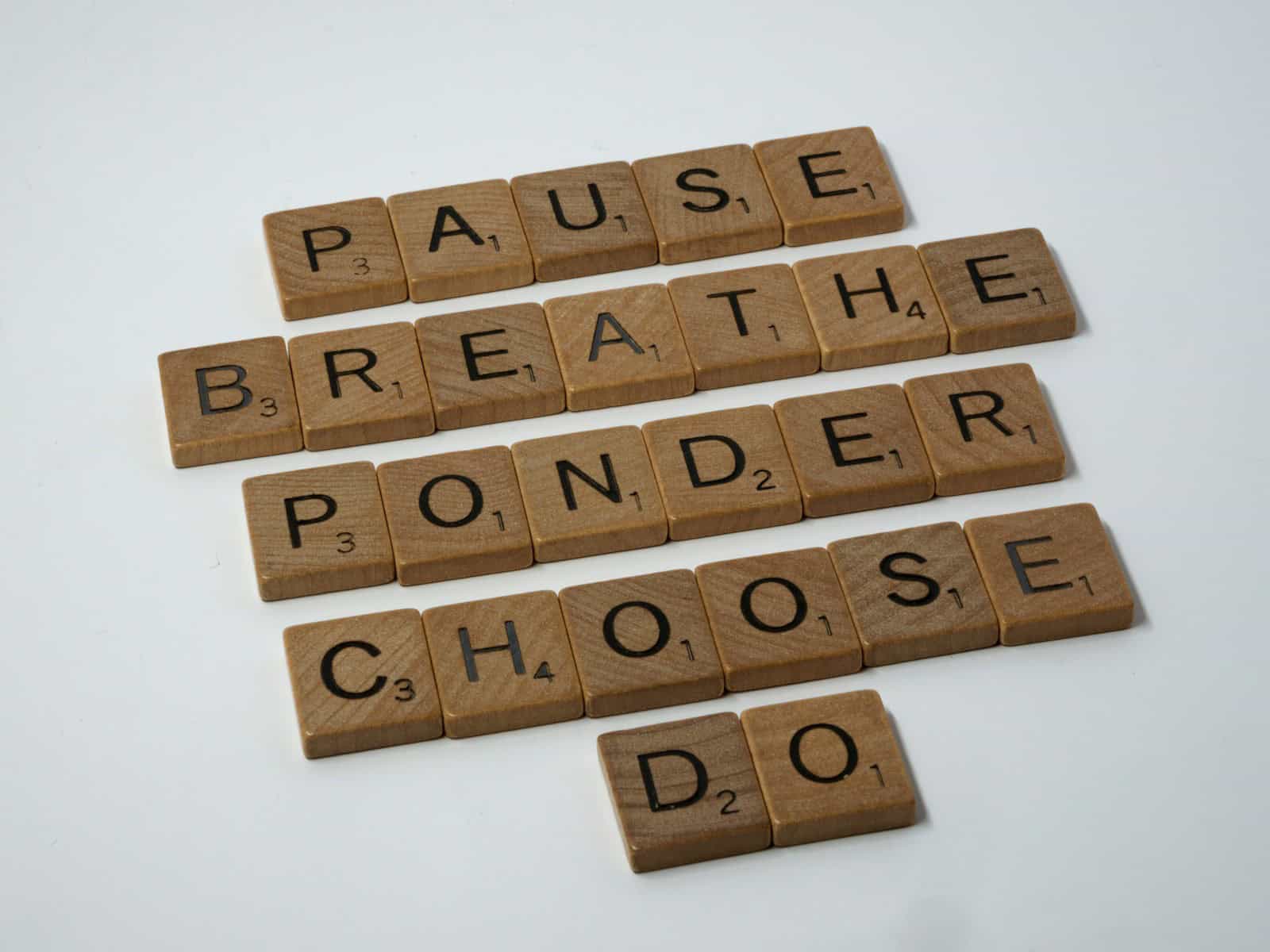 When you catch yourself starting to compare, give yourself three seconds to pause; just notice the thought, don’t try to fight it or supress it. “Oh, I’m doing that comparing thing again.” That tiny moment of awareness is often enough to break the automatic pattern.
Ask Yourself What You’re Actually Seeing
When you feel that comparison tug, ask: “What am I literally looking at here?” You’re seeing one photo, one moment, one carefully chosen angle. You’re not seeing someone’s entire reality.
This helped me when travel photos would make me feel bad about my own lack of exotic adventures. The reality check: I was seeing one sunset photo, not someone’s entire year. Maybe they saved for eighteen months for that trip. Maybe they’re stressed about the credit card bill. Maybe they miss their own bed.
Redirect Your Attention to Your Actual Life
When you catch yourself in comparison mode, actively notice something in your own life that’s good right now. Not something impressive – something small and present.
The warmth of your coffee mug, your favorite song playing in the background, or he way your cat just flopped over in that ridiculous position. These tiny redirections help train your brain to notice what’s actually happening in your life instead of what’s missing compared to others.
Setting Boundaries That Actually Protect You
You don’t have to delete Instagram to protect your mental health. You just need to be more intentional about how you use it.
Use a Timer (Yes, Really)
Set a timer for your social media time. Not because you’re trying to be perfect, but because time limits force you to be more selective. When you know you only have ten minutes, you’re less likely to fall down comparison rabbit holes.
Unfollow People Who Make You Feel Bad
If someone’s content consistently triggers comparison spirals, it’s okay to unfollow them. This isn’t about them being terrible people – it’s about protecting your mental space. If someone’s content consistently makes you feel like your life is somehow insufficient, unfollow them, the moment you do, you will feel lighter.
Check Your Posting Motivation
Before you post something, ask yourself: “Am I sharing this to connect with people, or to create a certain image?” Neither answer is wrong, but being honest about your motivation helps you use social media more intentionally.
Healthier alternative: Try waiting 24 hours before posting anything that feels emotionally loaded. If you still want to share it tomorrow, go ahead. If not, you’ve saved yourself from potentially making someone else feel inadequate.
Building Joy That Doesn’t Depend on Comparison
Real happiness – the kind that sticks around – doesn’t come from having the most impressive Instagram feed, it comes from being present in your actual life.
Compare Yourself to Past You Instead
Instead of measuring yourself against others, try comparing yourself to who you were last year. What have you learned, what have you survived, what small improvements have you made?
I keep a simple note on my phone where I write down tiny wins. Not Instagram-worthy achievements, but real progress. “Had a difficult conversation and it went well.” “Tried cooking something new and didn’t burn it.” “Felt anxious but went to the store anyway.”
Practice Recognizing When You Have Enough
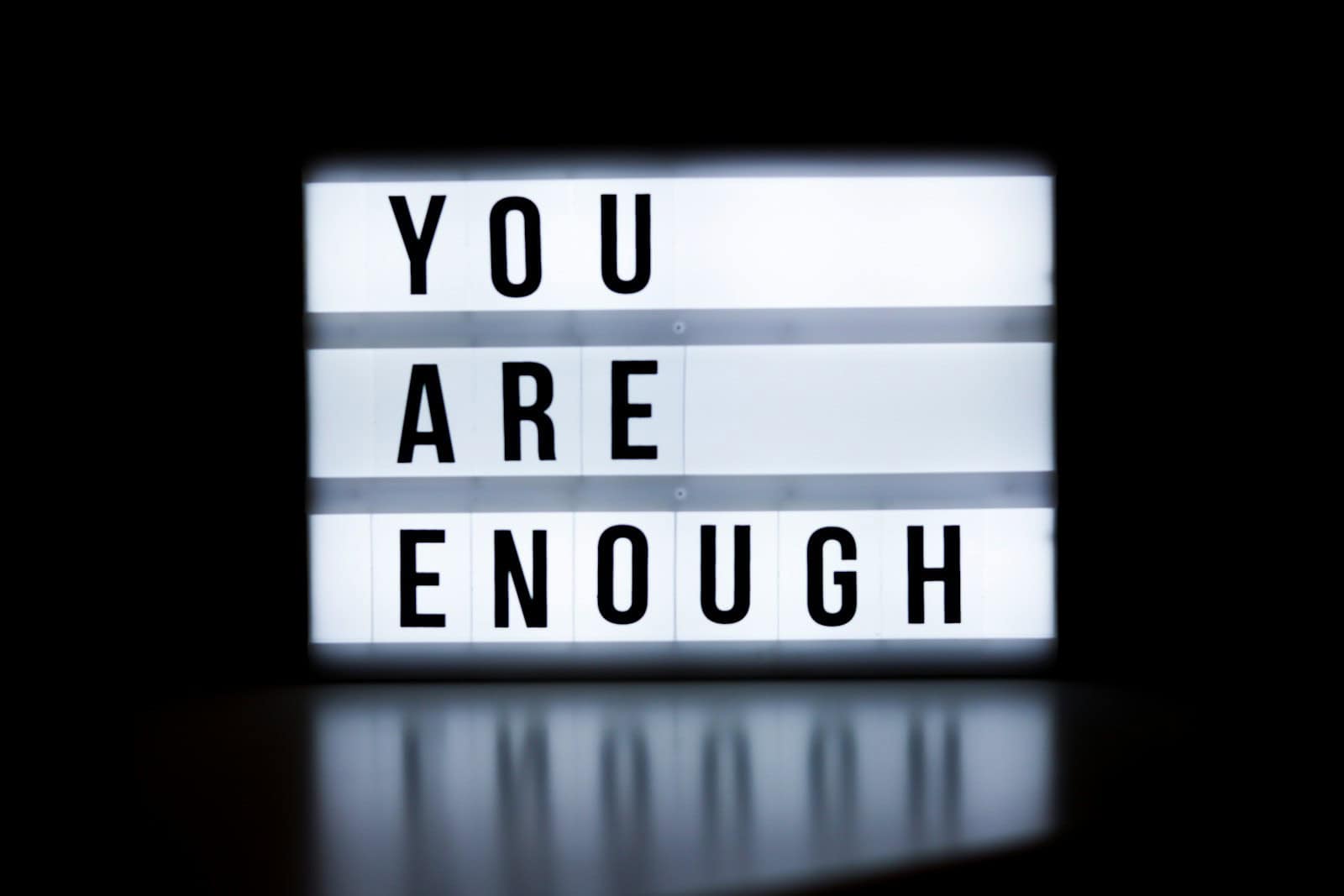 Try to notice moments when you have enough. Not enough compared to others, but enough for right now. Your apartment is enough, your friendships are enough, your progress is enough.
This doesn’t mean you can’t want more or work toward changes. It means you can be content while also growing.
What Actually Makes Life Good (Spoiler: It’s Not Instagram-Worthy)
The moments that bring real joy are usually too small and ordinary to post about, like: the first sip of coffee in the morning, the smell of freshly cut grass, your dog’s ridiculous excitement when you come home.
These moments are available to you every day, but they’re easy to miss when you’re focused on what everyone else is doing.
Try Connection Instead of Comparison
When you see someone’s good news on social media, try to feel genuinely happy for them instead of using it as a measuring stick. This takes practice, but it’s incredibly freeing.
I started commenting actual congratulations on people’s posts instead of just hitting the heart button. “This is so exciting!” “You worked so hard for this!” It sounds small, but it helped me shift from comparison to connection.
Their success doesn’t make your life less valuable. Their happiness doesn’t steal from your potential joy.
Your Life Is Happening Right Now
Instagram comparison isn’t a character flaw – it’s a predictable response to being constantly exposed to everyone else’s highlight reels. Your brain is doing what it’s designed to do: trying to figure out where you stand.
But in the age of social media, this ancient survival mechanism is making you miserable instead of keeping you safe.
You don’t need to have the most impressive feed to have a good life. You don’t need to match everyone else’s achievements to be worthy. Your life is happening right now, in this moment, regardless of what anyone else is posting.
The people whose lives look perfect on Instagram are probably scrolling through someone else’s feed feeling the exact same way you do. Everyone’s fighting the same battle with comparison. You’re not alone in this.
Recommended
Breaking Free from Toxic Traits: Tools That Work (Part 3)