
Steps to Rebuilding Confidence After a Toxic Relationship
Proven Steps to Rebuilding Confidence After a Toxic Relationship
If you’ve left a toxic relationship and you’re struggling with rebuilding confidence in your own judgment… this isn’t weakness. This is your brain trying to protect you using patterns that no longer serve you.
Maybe you’re just out of a toxic relationship or it’s been six months, but are still asking permission to exist in own life. Standing in coffee shops unable to decide between tea or coffee because someone had spent two years telling her that her choices were wrong, dramatic, or too much?
And what you’re experiencing? It has a solution.
The Hidden Damage to Your Decision-Making Brain
 Here’s what I’ve learned from researching toxic relationship recovery: the confidence damage goes deeper than most people realize.
It’s not just that someone criticized your big life choices. They systematically undermined your ability to trust yourself about everything. What to wear. What to eat. Which friends to see. How to interpret basic social interactions.
Your brain learned that making independent choices led to conflict, criticism, or punishment. So it developed this hypervigilant system where every decision gets filtered through “what would they think?” even when they’re no longer in your life.
Rebuilding confidence after a toxic relationship means rewiring neural pathways that took months or years to form. Which sounds overwhelming until you understand it happens through ridiculously small steps.
Why Your Internal Voice Sounds Like Someone Else
That harsh critic in your head questioning every choice? That’s not actually you talking. It’s an internalized echo of someone else’s judgment that your brain learned to repeat as protection.
I ask people to try something: name that critical voice. Give it a completely different identity from yourself. Because recognizing that those thoughts aren’t coming from your authentic self is the first step in rebuilding confidence.
When you catch yourself thinking “you’re being dramatic” or “nobody cares what you think,” you can respond with “thanks for the input, but I didn’t ask for your opinion.”
Sounds silly until you realize how powerful it is to separate toxic conditioning from your actual thoughts.
The Stupidly Small Decision Method
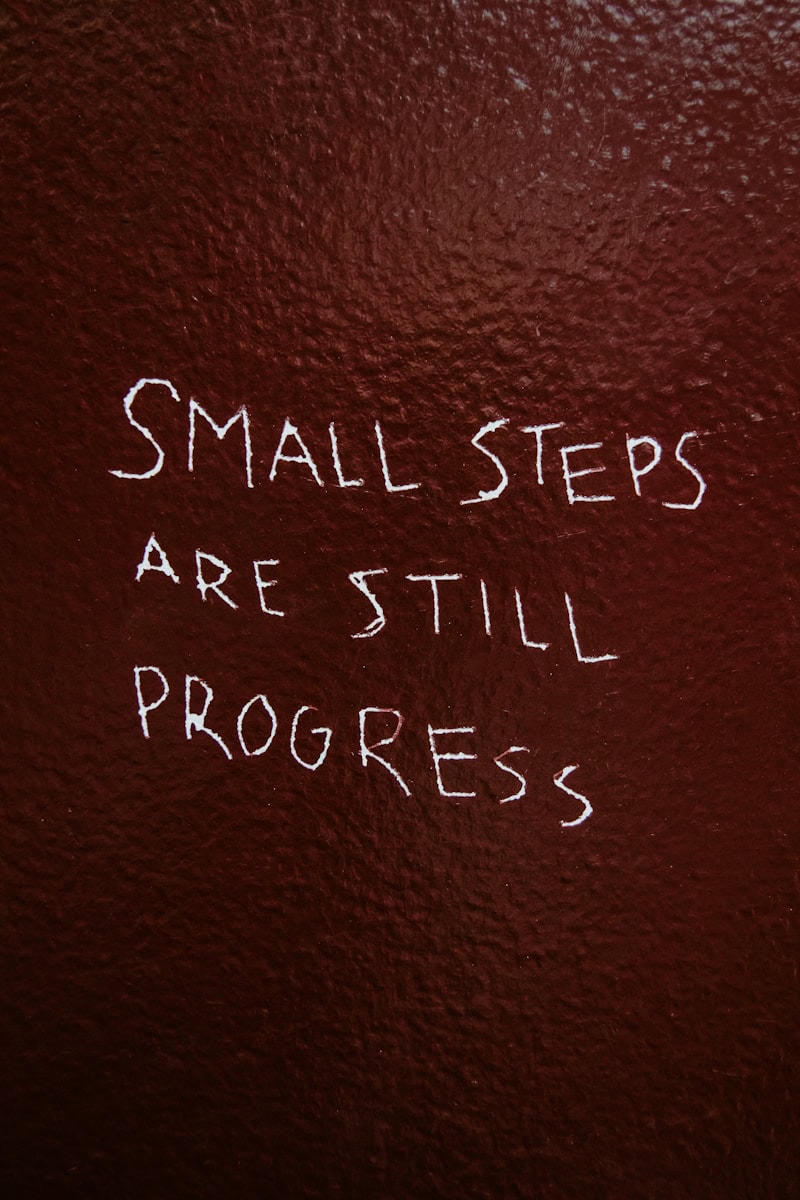 Every expert I’ve read about trauma recovery emphasizes this: you rebuild confidence through micro-choices, not grand gestures.
I’m talking about decisions that seem embarrassingly basic. Choosing what to watch on Netflix without consulting anyone. Picking a restaurant when you’re hungry. Buying soap because you like the smell.
These aren’t pathetic choices. They’re trust builders. You’re proving to yourself that you can make decisions and the world won’t end.
Some micro-decisions that help rebuild confidence:
– Choosing your own route to work
– Selecting groceries based on what you actually want to eat
– Picking clothes that make you feel comfortable
– Deciding when to go to bed without external input
– Choosing how to spend your free time
Each small choice is evidence that your judgment works. That your preferences matter. That having opinions doesn’t make you difficult or selfish.
Document Your Decision-Making Wins
Keep track of successful choices, no matter how small. When you make a decision and it turns out okay – or even just not terrible – write it down.
“Chose the Thai restaurant for lunch and really enjoyed it.”
“Said no to plans when I was tired and felt refreshed the next day.”
“Bought the more expensive shampoo and my hair feels better.”
These records become proof that you can trust yourself with choices. That your judgment, while not perfect, is completely adequate for navigating your own life.
Looking back at these later, they seem ordinary. But during rebuilding confidence after a toxic relationship, each one represents reclaimed autonomy.
Your Body Knows What Your Mind Is Still Learning
 After months of being told your reactions are wrong, your feelings are excessive, your instincts can’t be trusted – your body becomes this quiet source of truth.
Pay attention to physical responses. That tight feeling in your chest when someone asks you to do something you don’t want to do. How your shoulders relax around certain people. The flutter of excitement when you consider trying something new.
Your body remembers what safety feels like, even when your conscious mind is still catching up to rebuilding confidence.
I’ve noticed people describe finally trusting their gut reactions again as one of the biggest milestones in toxic relationship recovery. Not because they’re always right, but because they remember they have the right to their own internal responses.
Boundaries As Confidence Builders
Setting boundaries feels terrifying when you’re rebuilding confidence, but it’s actually one of the most effective methods for proving to yourself that your needs matter.
Start with boundaries around your own time and energy:
– “I need an hour to think about that before deciding”
– “I’m not available for calls after 9 PM”
– “I don’t want to discuss my past relationship anymore”
– “I need to leave this conversation if it continues in this direction”
The first few times you set boundaries, you might feel physically sick. Like you’re being unreasonable or demanding. But most people respect clear boundaries more than wishy-washy responses.
Each boundary you maintain teaches your brain that you can advocate for yourself without the world ending.
Recognizing Toxic Conditioning Versus Healthy Caution
 As you’re rebuilding confidence after a toxic relationship, you need to distinguish between healthy consideration and toxic conditioning.
Healthy caution sounds like: “Let me think about this carefully and consider my options.”
Toxic conditioning sounds like: “You can’t trust yourself to make this decision. You’ll mess it up like always.”
One encourages thoughtful decision-making. The other tries to paralyze you with fear of making any choice at all.
When you catch toxic conditioning in action, you can respond with: “That’s interesting feedback, but I’m capable of handling the consequences of my own choices.”
The Setback Days Are Part of Recovery
Some days you’ll wake up feeling strong and decisive. Other days you’ll spend forty-five minutes staring at your wardrobe because choosing an outfit feels overwhelming.
Setback days don’t mean you’re not making progress in rebuilding confidence. They mean your brain is working hard to rewire itself, which is exhausting work.
On difficult days, give yourself permission to make the smallest possible decisions. What to have for breakfast. Whether to shower now or later. Whether you need to take a mental health day.
Recovery from toxic relationships isn’t linear. It’s more like untangling a complicated knot – sometimes you have to go backwards to make progress.
When Your Own Voice Emerges
 There comes a moment when you realize the voice in your head sounds like you again. Not your ex. Not some anxious version trying to anticipate what everyone wants. Just you, thinking your own thoughts about what you want.
For many people rebuilding confidence, this happens during seemingly mundane moments. Knowing exactly what you want for lunch without consulting anyone. Choosing a movie because it genuinely interests you. Deciding to take a different route home just because.
This is when you know something fundamental has shifted in your toxic relationship recovery.
Building Future-Self Confidence
Advanced confidence rebuilding involves making decisions based not just on immediate wants, but on what your future self will appreciate.
“Future me will be grateful I went to bed early tonight.”
“Future me will be proud I applied for that job despite feeling nervous.”
“Future me will appreciate having saved money this month.”
This approach proves to yourself that you can be trusted to make good long-term choices, not just handle immediate decisions.
The Truth About Trusting Yourself Again
You don’t wait until you feel confident to start making decisions. You make consistent small decisions until confidence gradually returns.
Every choice you make – even wrong ones – teaches your brain that you can handle consequences. That you can course-correct when things don’t work out. That your judgment is adequate for your own life.
Rebuilding confidence after a toxic relationship happens through accumulated evidence that you’re capable of self-direction. One micro-decision at a time.
The goal isn’t perfect judgment. It’s remembering that you have the right to your own thoughts, preferences, and choices. That your internal responses are valid data. That you can survive making decisions and learn from whatever happens.
Eventually, you’ll realize you’re not asking permission to exist in your own life anymore. You’re just living it, making choices, trusting yourself to handle whatever comes next.
And that voice in your head? It starts sounding like someone who’s genuinely on your side again.
That’s how you know the rebuilding confidence process is working.
For additional support with toxic relationship recovery, Mind UK offers resources for rebuilding self-trust after emotional trauma.
Resources
Our guide to toxic relationships
Don’t miss manage grief leaving toxic relationship for related tips.
For a detailed guide, check out internalized neglect breakup.


