Digital Clutter Overload: When Notifications Become a Nervous Habit
Digital Clutter Overload: When Notifications Become a Nervous Habit
 You counted your phone notifications yesterday and immediately felt sick. Thirty-seven red badges scattered across your screen like digital acne.
Sound familiar? You’re not alone if you’ve turned your phone into an expensive stress ball. If you reach for it during every awkward pause, every spike of anxiety, every moment when life feels boring or uncertain.
But you’re not checking your phone because you need information, you’re checking it because clearing those red dots has become your go-to way to self-soothe when you feel uncomfortable.
Why Your Phone Became Your Security Blanket
Ever notice how some people tap their fingers when they’re nervous, or bounce their leg during meetings? You’ve developed a digital version of these fidgeting habits, except you don’t recognize it as nervous behavior because it looks productive.
Checking notifications feels important, I mean you’re “staying on top of things” and “being responsive right?” But watch yourself closely for a day and you will notice that you reach for your phone not when you need information, but when you need something to do with your restless energy.
The Anxiety Loop Nobody Warns You About
When you start tracking your phone usage, the pattern will become impossible to ignore. Hit a roadblock at work? Straight to Instagram. Awkward pause in conversation? Eyes to the screen. Feel that familiar “what now?” restlessness? Time to hunt for red notification badges.
Those endless scroll sessions weren’t actually calming your anxiety—they had become your knee-jerk reaction to it. You’d essentially programmed yourself to reach for a digital security blanket every time life felt uncomfortable or mundane.
What Digital Overwhelm Actually Does to You
Digital overwhelm isn’t just about having too many apps or emails, it’s about how constant phone checking rewires your brain’s relationship with discomfort and attention.
You Lose the Ability to Sit with Quiet Moments
 When was the last time you waited in line without checking your phone or rode an elevator without looking at your screen? That urge to fill every micro-moment with digital stimulation is your brain on notification overload.
We are losing the ability to just exist in boring moments, waiting for coffee became an opportunity to scroll Twitter. Walking to the mailbox meant listening to a podcast. Even bathroom breaks became productivity time for catching up on news.
Boredom Becomes Your Enemy
Boredom used to be normal but now it feels like a problem to solve immediately. The moment your brain isn’t actively engaged, you reach for digital stimulation.
But here’s what you’ve lost: boredom is when your brain does some of its most important work. Processing information, making connections, coming up with creative solutions. When you eliminate all boredom with phone checking, you eliminate these valuable mental processes too.
The Hidden Psychology Behind Phone Addiction
Your phone habit isn’t happening because you’re weak or lack willpower, it’s happening because notifications are designed to be irresistible, and your brain is wired to seek them out.
Your Brain on Notification Dopamine
 Every notification is a tiny lottery ticket. Maybe it’s something important, maybe something fun, maybe something that will make you feel connected or informed. This unpredictable reward schedule is the same mechanism that makes gambling addictive.
Your brain learns to crave that little hit of possibility that comes with each red badge. When you’re feeling anxious, bored, or uncertain, your brain suggests checking notifications as a quick way to feel better.
The Fake Sense of Control
When life feels chaotic, clearing notifications provides accomplishment and control. You can’t control your workload or relationships or world events, but you can control those red dots, make them disappear and feel productive, even if it’s just digital busy work.
Social Pressure to Stay Connected
We live in a culture that treats constant connection as responsibility. Being available for every ping and buzz has become a marker of being engaged and important.
But research from UC Irvine shows it takes 23 minutes to fully refocus after an interruption. Every notification you respond to isn’t just stealing the moment it takes to check, it’s potentially derailing your focus for the next half hour.
To understand how digital clutter contributes to stress and anxiety—similar to a messy physical space—read this insight from Cleveland Clinic: Clearing Out Digital Clutter.
How Phone Checking Hurts You Long-Term
The obvious costs are clear: distraction, lost productivity, feeling overwhelmed, but there are subtler costs that are harder to notice but equally damaging.
You Stop Noticing Your Own Needs
When external notifications constantly direct your attention, you stop noticing your natural energy patterns and needs. You don’t realize you’re tired because a notification jolts you awake, you don’t notice you’re hungry because your phone is feeding your need for stimulation.
I used to wonder why I felt so disconnected from my own body, then I realized I’d been outsourcing my internal awareness to my devices. Instead of checking in with myself, I was checking in with my notifications.
Your Attention Span Shrinks
Every time you interrupt a task to check notifications, you’re training your brain to have a shorter attention span. You’re teaching yourself that sustained focus isn’t necessary because there will always be something more interesting just a click away.
This doesn’t just affect work, it affects your ability to have deep conversations, enjoy books, watch movies, or engage in any activity that requires sustained attention.
Breaking the Phone Checking Habit
You don’t need to become a digital minimalist or throw your phone in a drawer. You just need to be more intentional about when and how you use digital stimulation.
Notice What Triggers Your Phone Grabbing
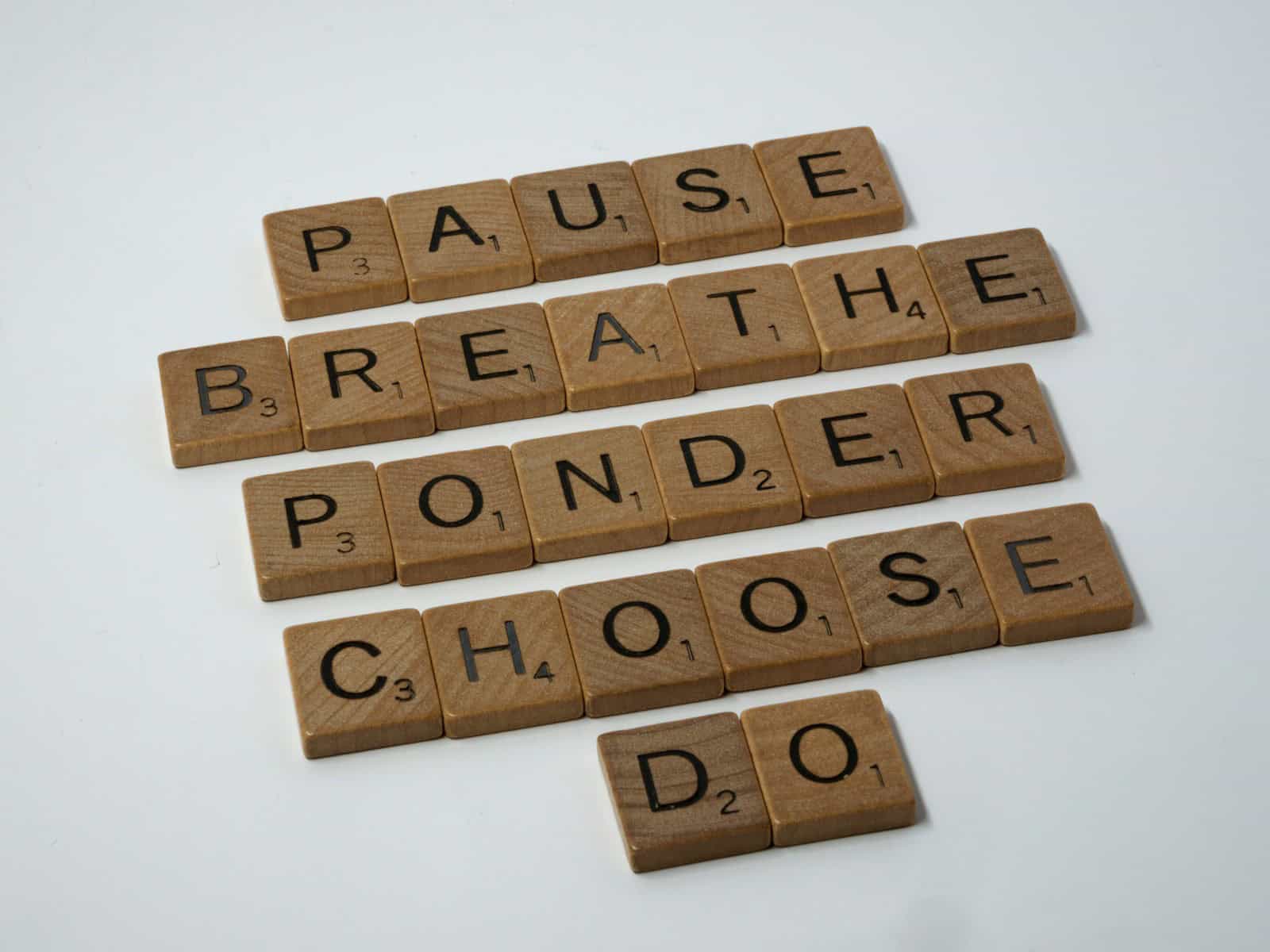 Start paying attention to when you reach for your phone. Is it when you’re anxious, bored, stuck on a problem, avoiding something uncomfortable?
Keep a simple log for one week. Every time you check your phone, write down what you were feeling right before. The pattern was clear: you are using notifications to avoid any type of discomfort, whether boredom, anxiety, or just the effort of sustained thinking.
Make Mindless Checking Slightly Harder
Create small barriers for compulsive app checking, for example remove social media apps from your home screen, turn off non-essential notifications, log out of apps so you have to consciously log back in.
This isn’t about making technology impossible to use, it’s about creating a pause that lets you choose whether you actually want to engage or if you’re just fidgeting digitally.
Replace the Habit with Something Better
Instead of eliminating the nervous habit entirely, give yourself a healthier option. When you feel the urge to check notifications, try taking three deep breaths, looking out a window, or doing a quick body scan to notice how you’re feeling.
These alternatives give your nervous system the reset it’s looking for without the digital overwhelm.
Creating a Calmer Phone Environment
You have more control over your digital environment than you realize. Small changes to how you set up your devices can dramatically reduce phone overwhelm.
Audit Your Notifications Without Mercy
Go through every app and turn off notifications for anything that isn’t truly time-sensitive. Ask yourself: “If I didn’t see this notification for three hours, would anything bad actually happen?”
Most notifications fail this test. Your meditation app reminding you to meditate can wait. The shopping app telling you about a sale can wait. Even most work emails can wait a few hours.
Batch Your Digital Input
Instead of checking different apps throughout the day, designate specific times for different types of digital input. Maybe you check news once in the morning and once in the evening and you process social media for 20 minutes after lunch.
Batching prevents the constant task-switching that makes digital clutter feel so overwhelming.
Create Phone-Free Zones
Designate certain times and spaces as phone-free. Maybe that’s the first hour of your morning, or your bedroom, or meals with other people. These boundaries help you remember what it feels like to exist without constant digital input.
Retraining Your Nervous System
Breaking compulsive phone checking isn’t just about changing behavior, it’s about retraining your nervous system to tolerate discomfort without immediately reaching for digital stimulation.
Try Micro-Meditations
When you feel the urge to check your phone, sit with the feeling for 30 seconds before deciding what to do. Notice what the urge feels like in your body.
This practice helps you respond to the underlying feeling instead of automatically reaching for digital distraction.
Make Boredom Your Friend
Start treating boredom as valuable instead of a problem to solve. Some of your best ideas come when your mind is allowed to wander without direction.
Try taking a walk without podcasts, sitting quietly without scrolling, or doing a mundane task without entertainment. Let your brain have some unstructured time.
Build Real-World Comfort Habits
Develop non-digital ways to self-soothe when you’re feeling anxious or restless. Maybe that’s playing with a stress ball, doing gentle stretches, or just placing your hand on your chest and taking slow breaths.
These alternatives give your nervous system the comfort it’s seeking without the digital overwhelm.
Healthier alternative: Instead of using your phone as a nervous habit, create intentional check-in times for your devices. Turn off non-essential notifications, and when you feel the urge to check your phone for stimulation, pause and ask what you actually need. Maybe it’s a deep breath, a stretch, or just sitting with the discomfort for a moment.
Conclusion
Phone overwhelm isn’t really about having too much technology in your life, it’s about using technology as a nervous habit to avoid the natural discomforts of being human. Boredom, anxiety, uncertainty, the effort of sustained attention.
The solution isn’t to eliminate technology or go back to flip phones. It’s to become more conscious about when and why you’re reaching for digital stimulation. It’s to create boundaries that protect your attention and give your nervous system permission to rest.
You don’t have to be constantly available, constantly informed, or constantly stimulated, you can choose when to engage with the digital world and when to simply exist in the physical one.
Start small today. Turn off three non-essential notifications. Notice what triggers your phone-checking habit. Try sitting with boredom for just one minute without reaching for stimulation.
Your brain will thank you for the break. Your attention will thank you for the protection. And your nervous system will thank you for learning healthier ways to seek comfort when life feels overwhelming.
The red badges can wait. Your peace of mind can’t.
Recommended
Breaking Free from Toxic Traits: Tools That Work (Part 3)
You can also read habit change strategies evidence based for a deeper perspective.